Love among the Ruins
Nero's Villa and the Birth of Civilization
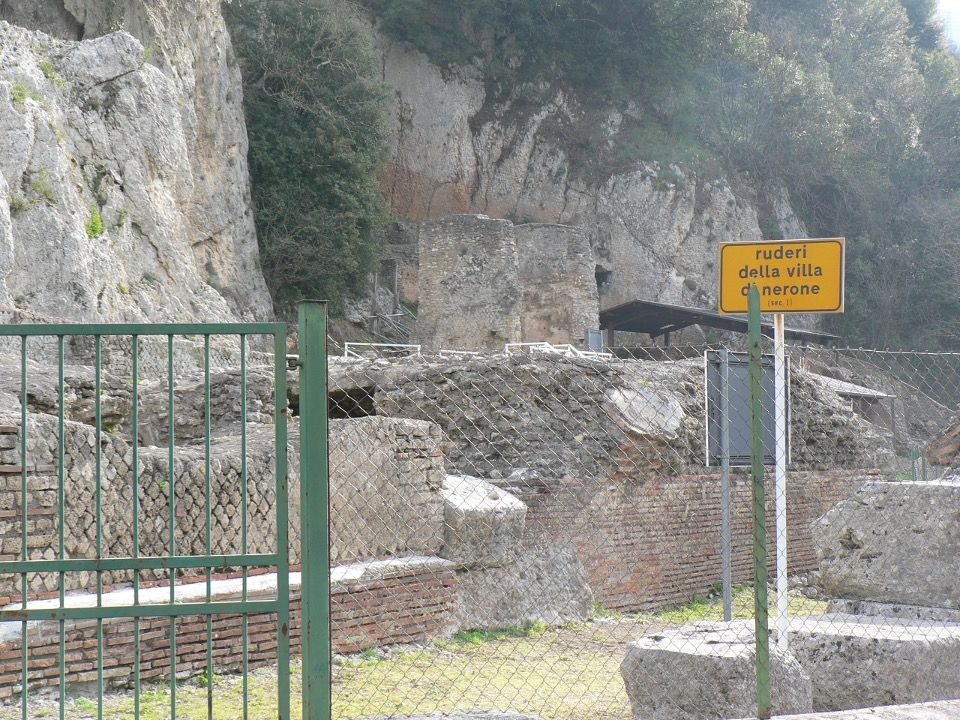
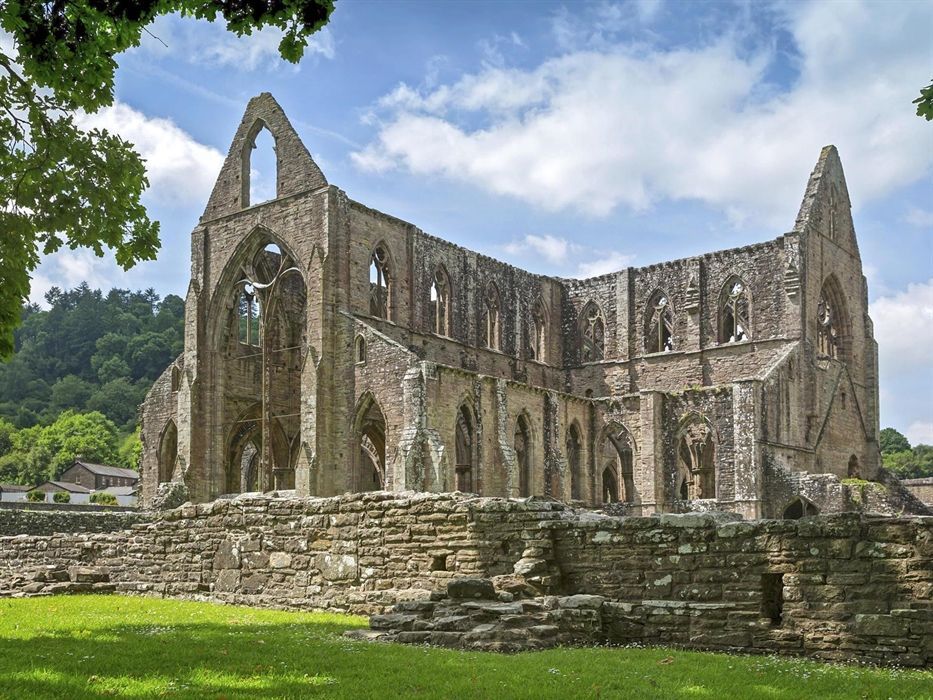
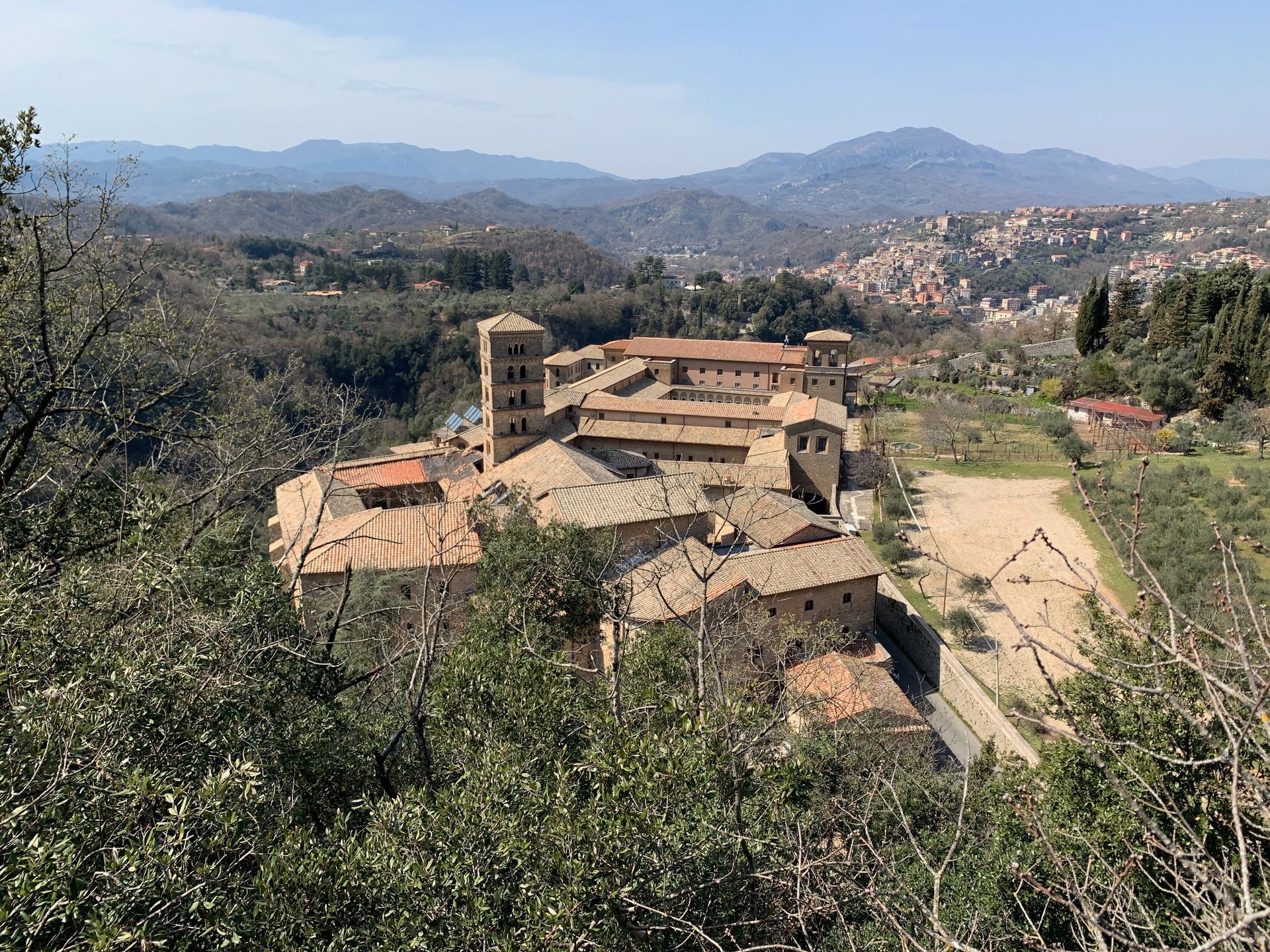
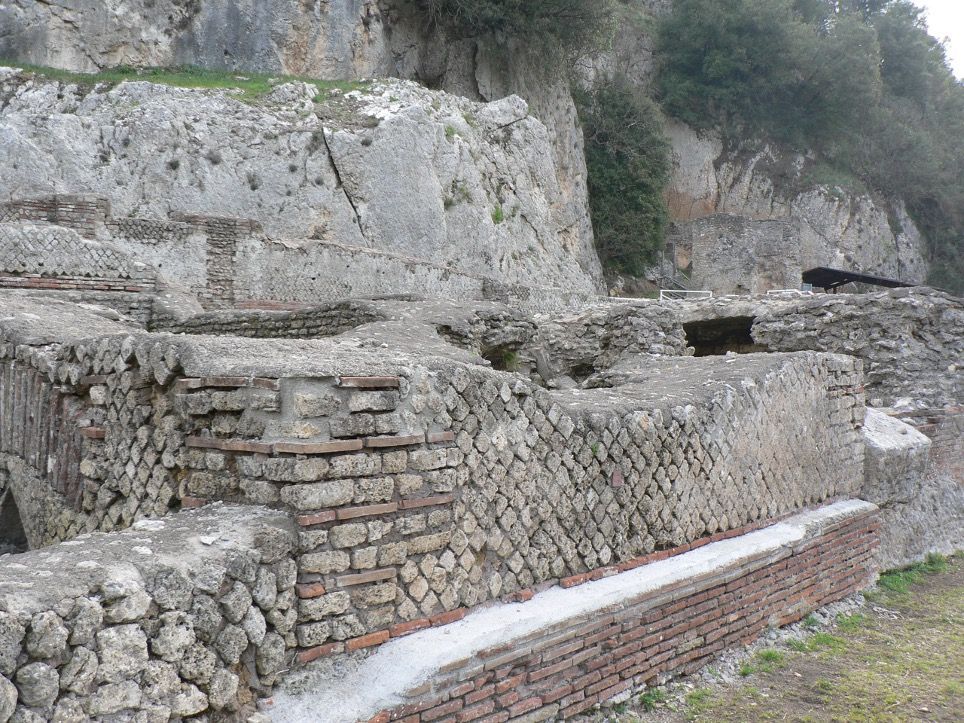
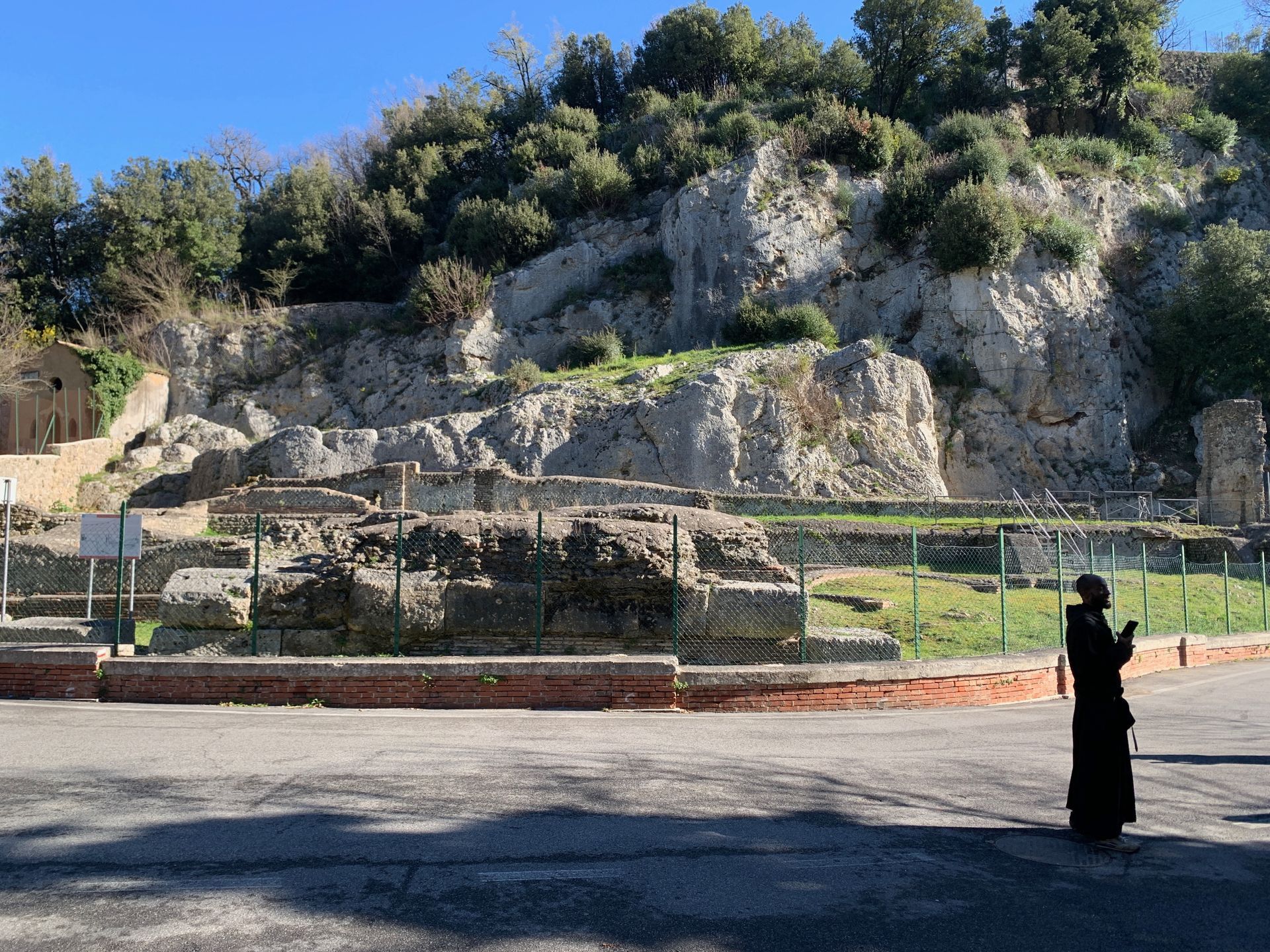
Yesterday I said goodbye to a group of monks and nuns in Rome, who were heading off to the mountains, to Subiaco where St Benedict began his monastic life. I urged them not to rush straight to the Sacro Speco, the Holy Cave where Benedict sought silence and solitude, but first stop at the Roman ruins where the emperor Nero had built a luxurious villa beside an artificial lake. The very name Subiaco comes from the Latin Sublaqueum meaning "under the lake."
For it was in those ruins that Benedict established his first community—the so-called protocenobium of San Clemente. There is archaeological evidence that Benedict really did settle among those ruins. But more than that it is deeply symbolic.
As Pope Benedict put it, when telling us why he chose our Holy Father as his patron: “Amid the ashes of the Roman Empire, Benedict, seeking first of all the kingdom of God, sowed, perhaps even without realizing it, the seed of a new civilization which would develop, integrating Christian values with classical heritage.” He spoke of the saint founding a fraternal community on the primacy of the love of Christ.
Benedict did not begin with a vision of civilization. He began with a search for God. He goes into the cave to listen. He learns to be silent. He begins, in the words of the Rule, to incline the ear of his heart.
He does not try to rebuild Rome. He does not attempt to restore what has been lost. Instead, he builds something different, something deeper. In the midst of disorder, he creates a place of order. In a culture of noise, a school of listening. In a time of fragmentation, a community bound together not by power or status, but by stability, obedience, and mutual care. If Rome was built on conquest, Benedict builds on humility. If Rome organised the world through law and force, Benedict orders a small community through attention—attention to the abbot, to the brother, to the guest and the stranger, and above all to Christ. A School of the Lord’s service that took the Gospel as its guide.
Benedict offered order and stability so that the dynamic of love could be creative.
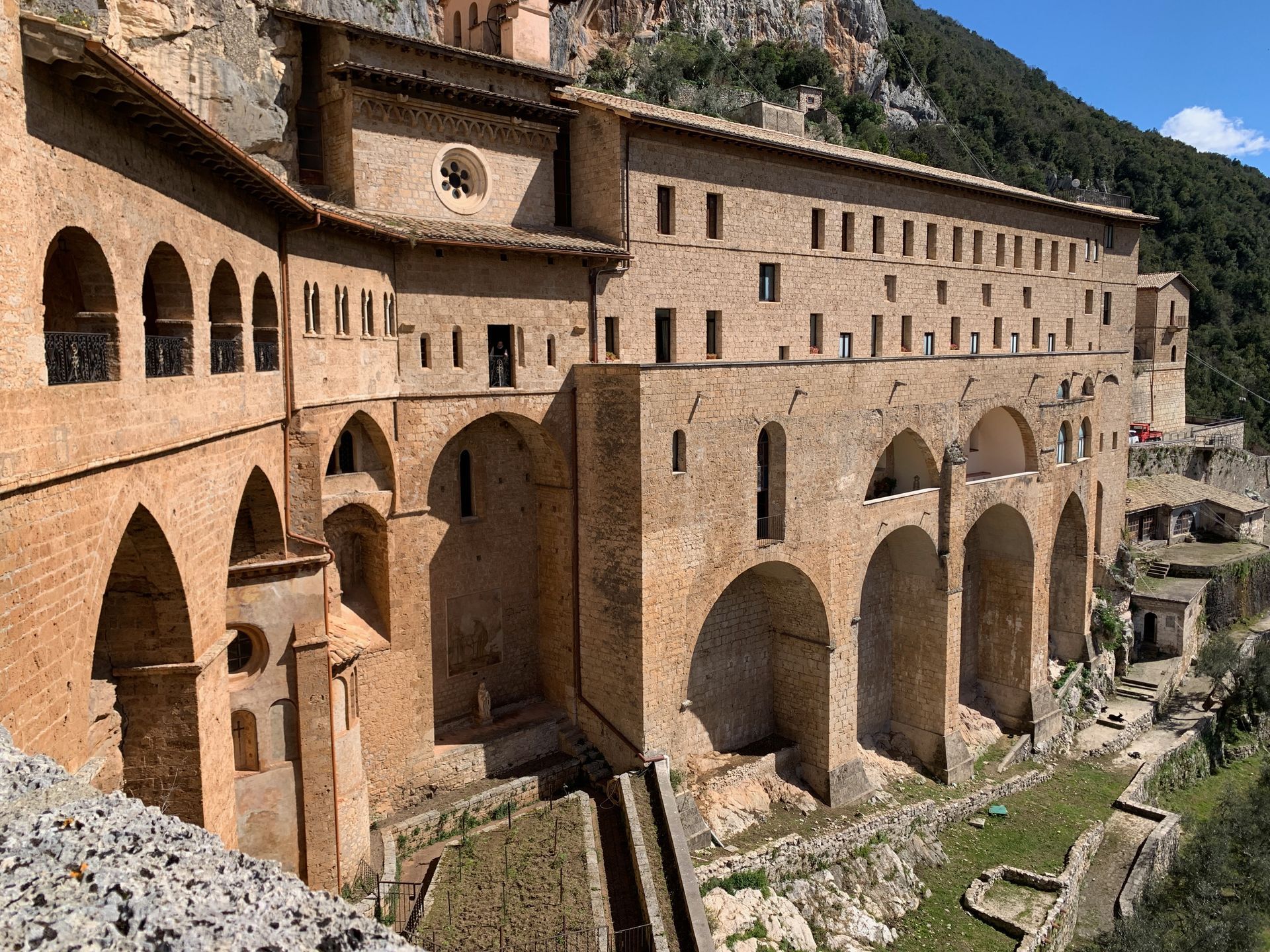
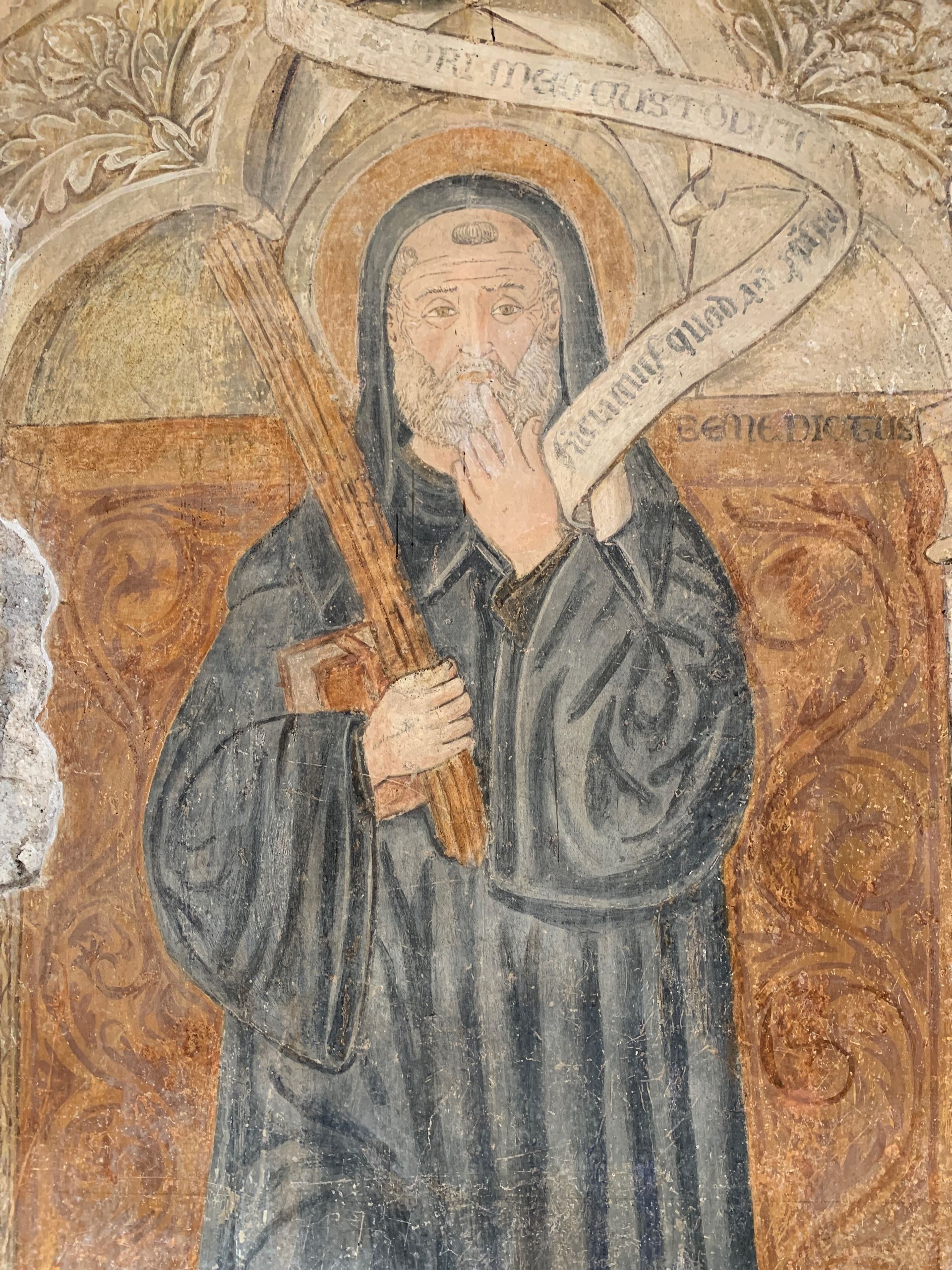
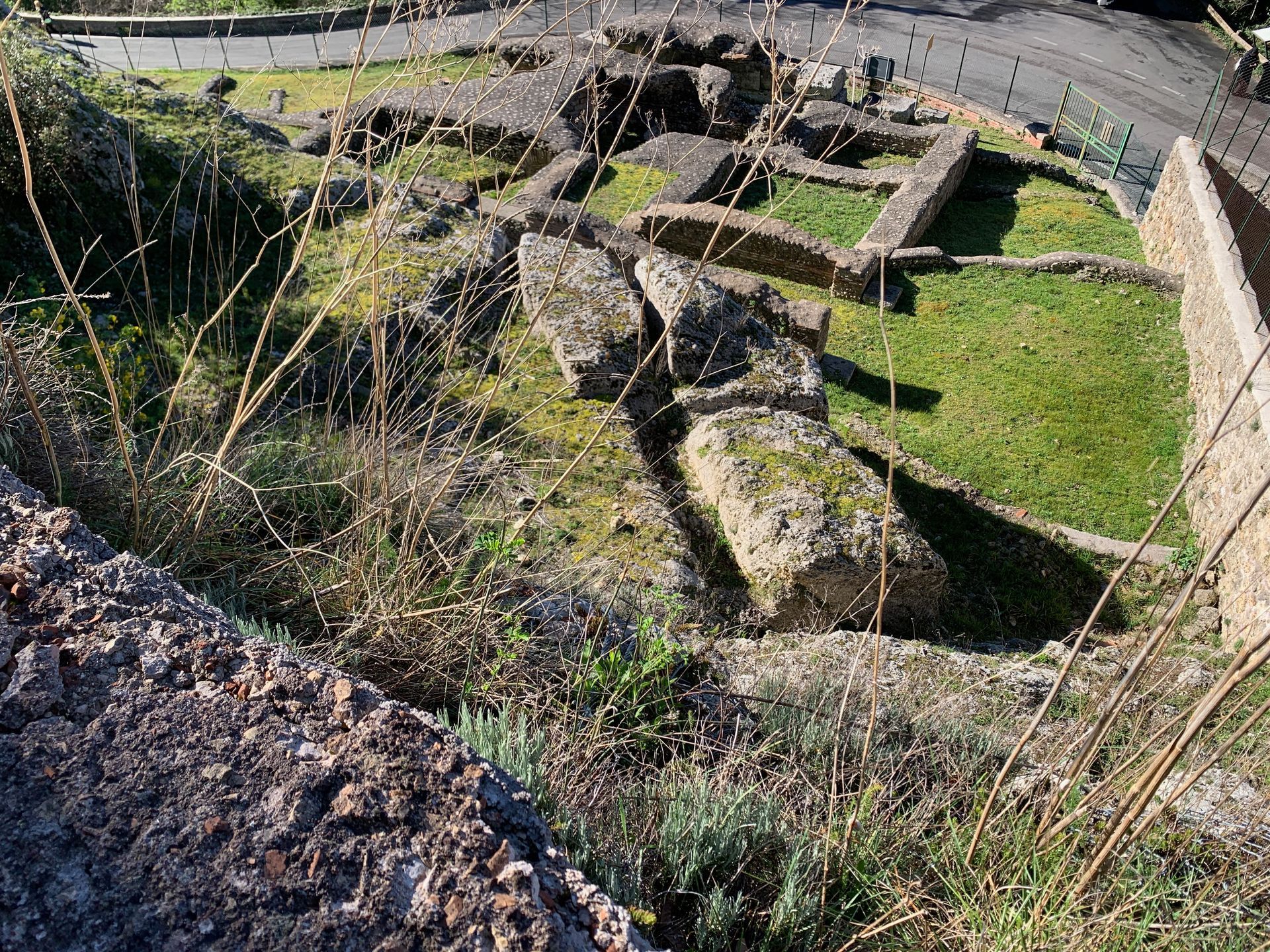
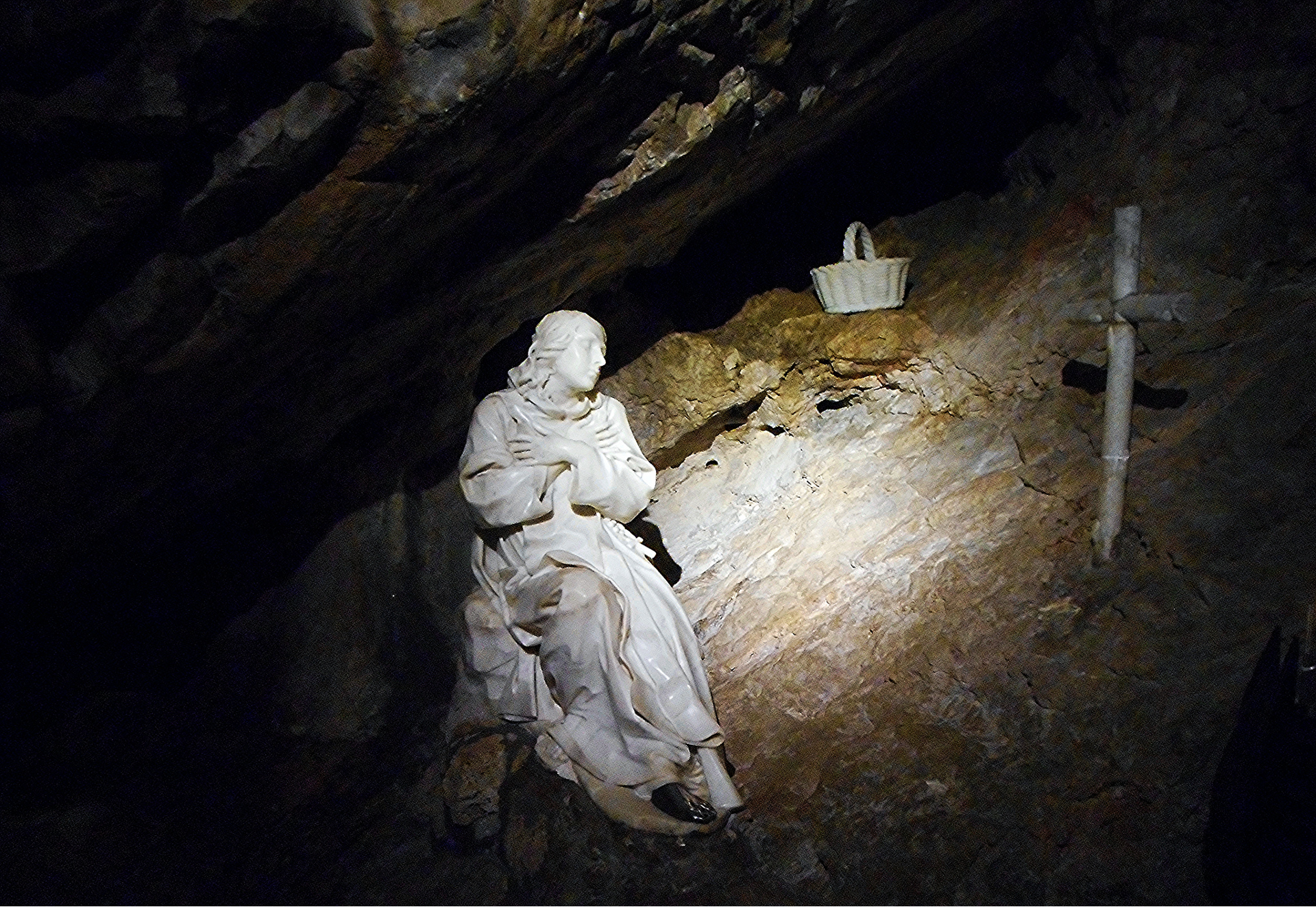
Love among the ruins. A new kind of civilization grown from below. Where the ordinary fabric of life, ora et labora, prayer and work become a path to God. A community where nothing is preferred to the work of God, where each one is to be received as Christ, where even the tools of the monastery are treated as sacred in the house of God. Benedict gives a structure not as an end in itself, but so that love may become possible. A new civilization takes root, not imposed from above but grown from below in a life focussed on God, but lived in brotherhood. Soon there were twelve monasteries in the valley at Subiaco. Slowly, across the centuries, monasteries spread in their hundreds and thousands formed by the Rule later wrote at Monte Cassino from his own experience.
So when Kenneth Clark produced his landmark TV series, Civilisation in 1969, he would say that in the darkest ages of history “monks kept civilization alive.” When for 500 years practically no lay person could read or write, monasticism was the agent of rebirth. Christian monasticism saved European culture, he said, and we got through ‘by the skin of our teeth’.
Clark himself, reflecting on all this, came to a kind of creed: “I believe order is better than chaos, creation better than destruction. I prefer gentleness to violence, forgiveness to vendetta. On the whole, I think that knowledge is preferable to ignorance, and I am sure that human sympathy is more valuable than ideology.” Years later, he would be received into the Catholic Church.
But he also offered a warning: civilisation, however solid it appears, is fragile. It can be destroyed—not only by violence, but by cynicism, by disillusion, by the slow erosion of meaning.
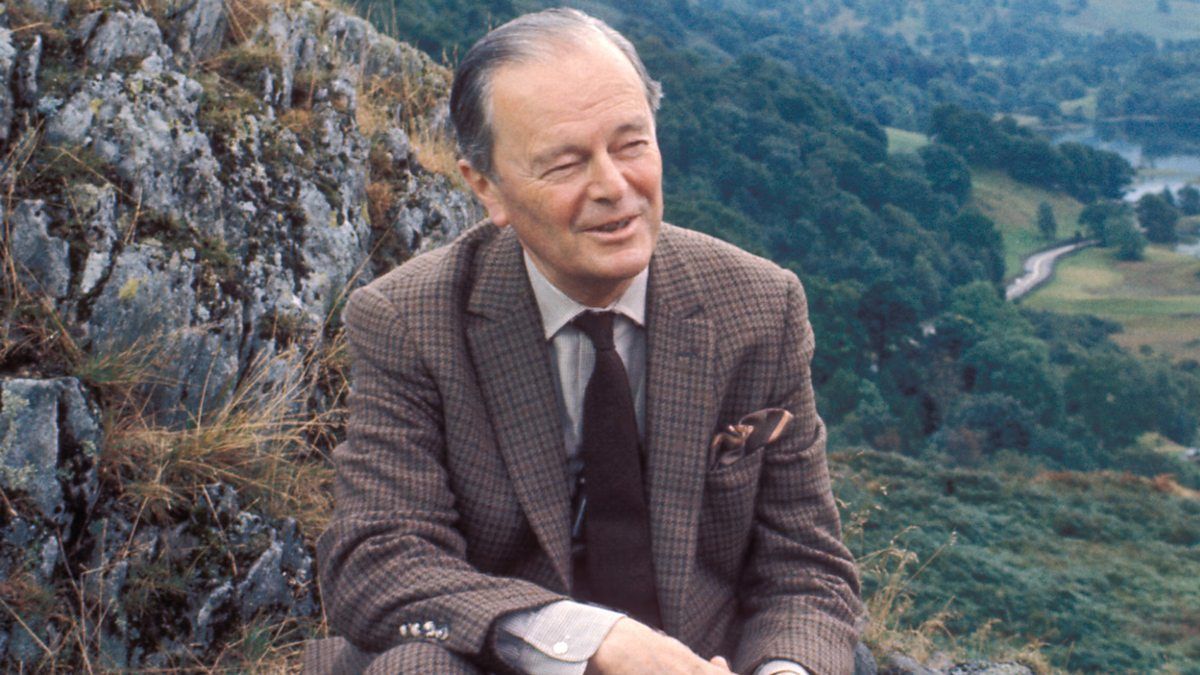
And here the story of Benedict becomes very close to our own. Because we too live, in our own way, among the ruins. Not the fallen stones of an empire, but the quiet fragmentation of meaning, the loss of a shared vision of the good, the restlessness of hearts that do not quite know where to rest. And the temptation is the same: either to try to recreate the past, or to give in to the chaos.
Benedict shows another way. Begin where you are. Listen. Persevere. Do the small things well. Build a life ordered to God. Build a community where the love of Christ reigns. Establish a pattern of prayer and praise. Live with respect for the other. Learn to speak in a way that gives life. Learn to see the other not as a rival, but as a brother. This is how a civilisation begins again.
Not with grand ideas, but with converted lives. “Your way of acting should be different from the world’s ways” he says. “The love of Christ must come before all else.”
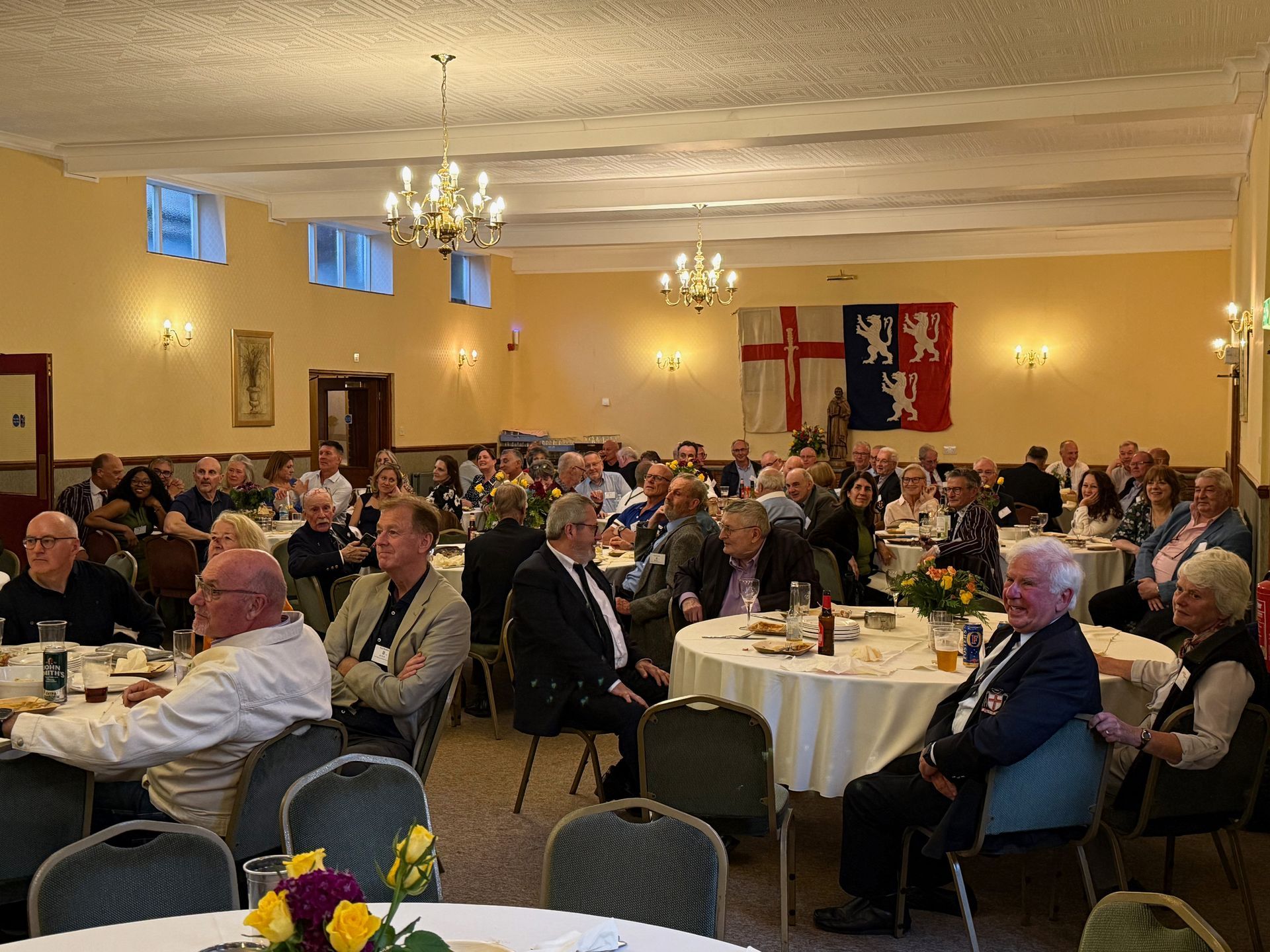
It is good today that we can gather, monks, oblates, parishioners and friends. Today, as we honour St Benedict, we are not simply looking back to the founder of monasteries. We are receiving from him a way of living in uncertain times. To stand among the ruins without fear. To see that God is already at work. Love among the ruins. And to begin, quietly and faithfully, to build. Putting, as he says, nothing whatever before the love of Christ.