Epiphany Homily
This is our day. And these are our kind.
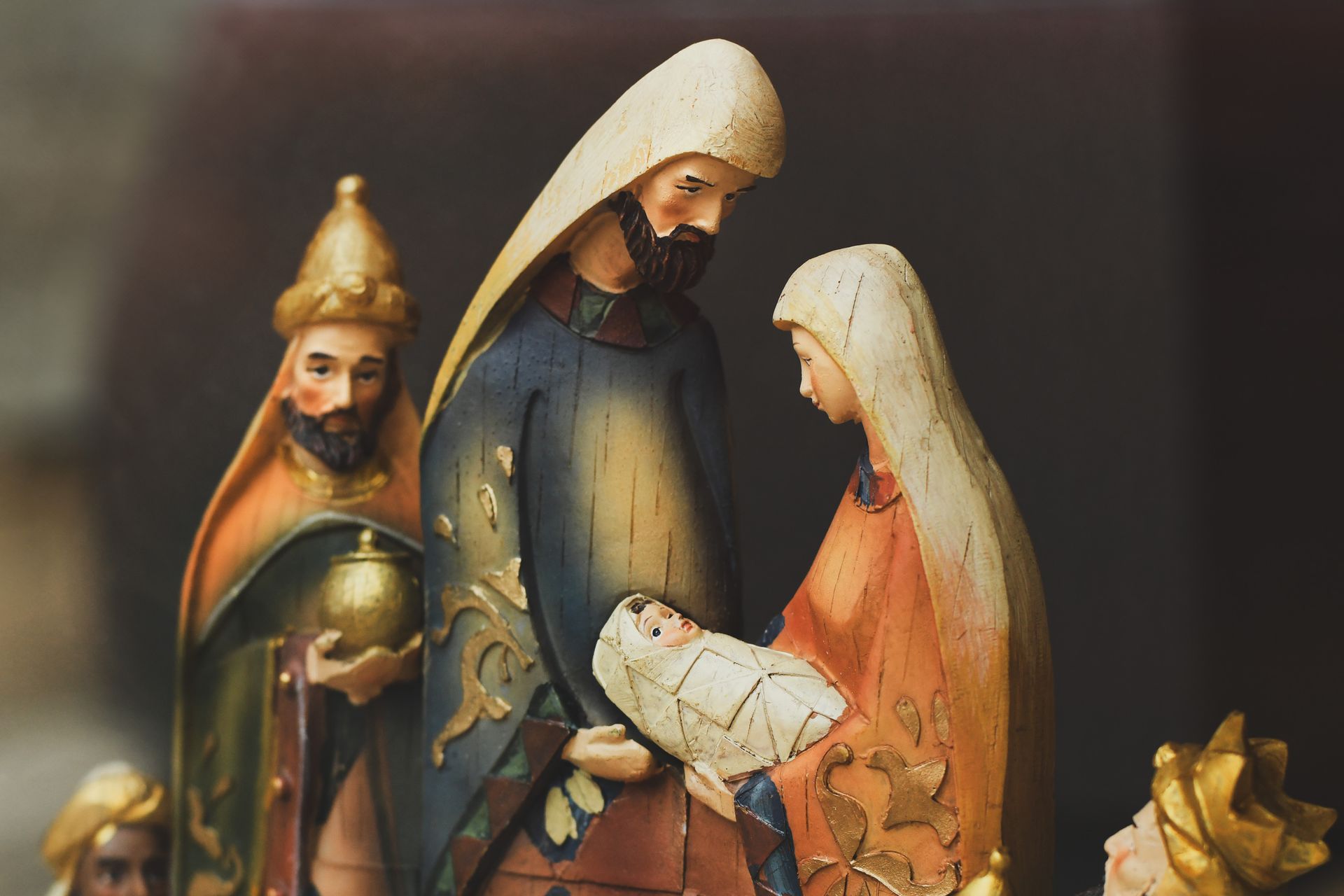
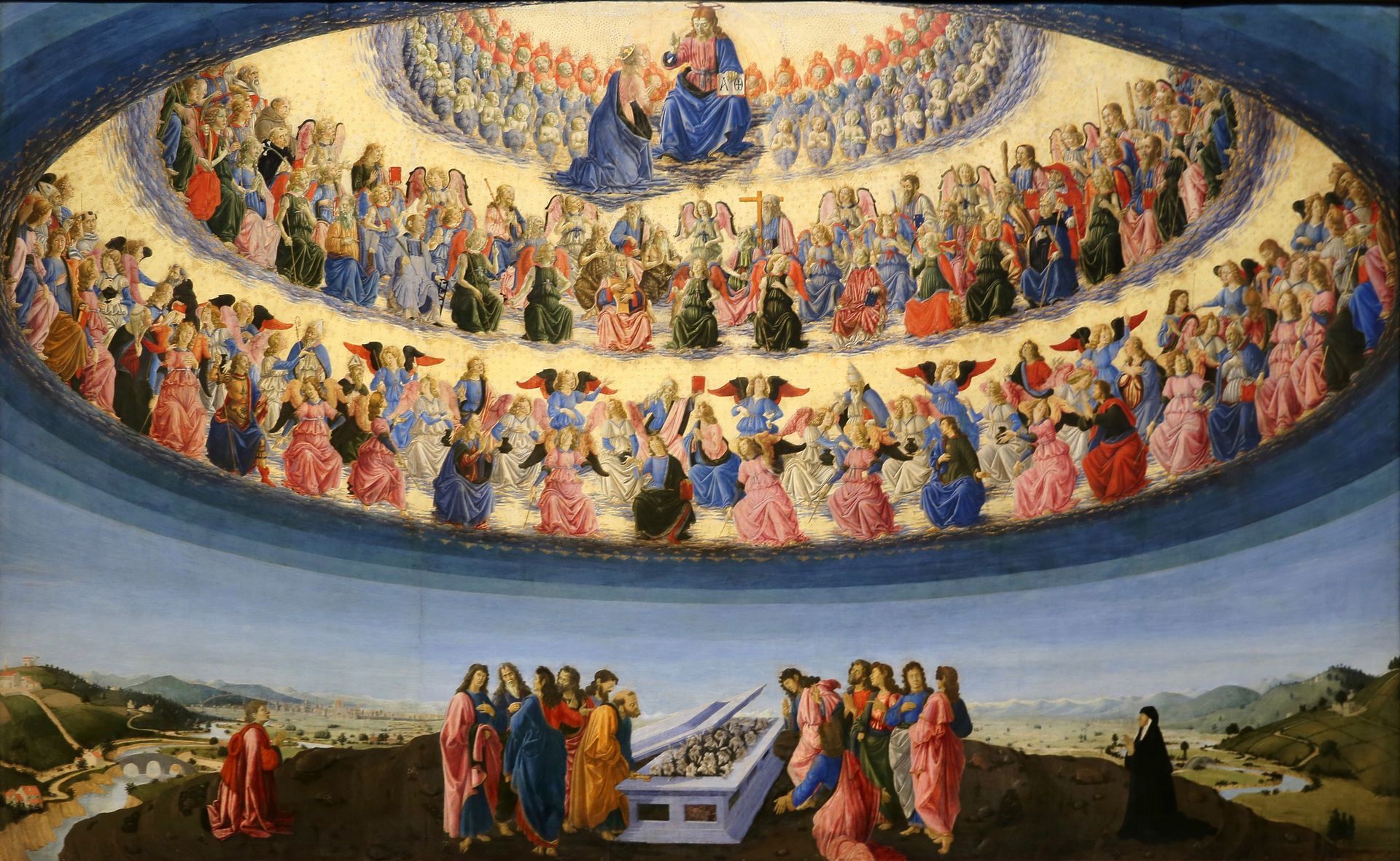
The Feast of the Epiphany has a particular beauty to it. Christmas is intimate, almost hushed: a child, a mother, a few shepherds on a cold, dark night. Epiphany opens the doors and lets the world come in. Strangers arrive. Accents change. The horizon widens. This is the day when the light that rose quietly over Bethlehem shows itself to be meant for everyone.
Isaiah sees it long before it happens: nations walking toward light, kings drawn by brightness, caravans crossing the desert, gold and frankincense carried by weary hands. It is a scene full of movement and colour, but also of longing. These people are on the way. They are not at home yet.
And that is where the Magi come in.
Evelyn Waugh, in his novel Helena—which he called “far the best book I have ever written or ever will write”—gives us one of the most searching reflections on the Magi in modern literature. He imagines the Empress Helena—old, weary, keenly aware of her limitations—standing in Bethlehem on the feast of the Epiphany. Watching the re-enactment of the Wise Men, she suddenly recognises herself in them. And she thinks: “This is my day, and these are my kind.”
What Helena admires in the Magi is not their exotic splendour, nor their learning, nor even their courage. It is their doggedness. They are not visionaries like the shepherds. They do not hear angels sing. They are not quick to grasp what is happening. They have only a star: faint, ambiguous, easy to misread. And yet they follow it.
They calculate. They consult. They make mistakes. They even end up in the wrong palace, talking to the wrong king. Their journey is slow, untidy, and risky. But they keep going.
Helena calls them “the patron saints of all who have a tedious journey to make to the truth.” Patrons of late-comers. Patrons of those who come to faith slowly, awkwardly, with detours and second thoughts. Patrons of the learned and the hesitant. Patrons of people who are not especially holy, but who cannot let go of the desire to find Christ.
Helena prays that God may accept “our dullness, our weakness, our pettiness,” just as he accepted their imperfect offerings; that he may regard our halting pilgrimages and confused seeking as precious.
And that is why this feast touches so many hearts. Because most of us, if we are honest, are not shepherds. We do not run barefoot to the manger. We plod. We puzzle. We carry too much baggage. We arrive late—breathless, uncertain—wondering if there will still be room.
And the Gospel gives us the answer. They were not turned away. They found kneeling-space in the straw. Their curious gifts—imperfect, symbolic, inadequate—were accepted. The Child did not ask them how long it took them to get there, or how many wrong turns they made. He received them because they came.
St Paul names the deeper meaning of this day when he tells the Ephesians that the mystery has now been revealed: that the Gentiles are fellow heirs, members of the same body, sharers in the same promise. Epiphany is not just about three travellers long ago. It is about us—about finding ourselves included, welcomed, gathered in.
The Magi remind us that sincerity matters more than accuracy, that perseverance matters more than brilliance, that desire matters more than speed. Grace meets those who keep walking. Even their mistakes—their naïveté in going to Herod—were taken up by God and woven into the drama of salvation.
And when they finally arrive, Matthew tells us something very simple and very beautiful: “They rejoiced exceedingly with great joy.” Not relief. Not triumph. Joy. The joy of discovering that the long search was worth it. The joy of finding a pearl of great price. The joy of realising that the light they followed was not an idea, but a person; not a theory, but a child.
At the end of Waugh’s scene, Helena turns to the Magi and says:
“Dear cousins, pray for me, and for my poor overloaded son.
May he, too, before the end find kneeling-space in the straw…
For His sake, who did not reject your curious gifts,
pray always for the learned, the oblique, the delicate.
Let them not be quite forgotten at the Throne of God
when the simple come into their kingdom.”
It is a tender prayer that trusts that God honours the journey, however late, however laboured.
So today, Epiphany speaks gently to all who feel spiritually ordinary, or slow, or distracted, or unsure. To those who have come by a long road of obedience. To those who are still on the way.
This is our day.
And these are our kind.