Tintern Abbey Vespers
A School of Love by the Wye:
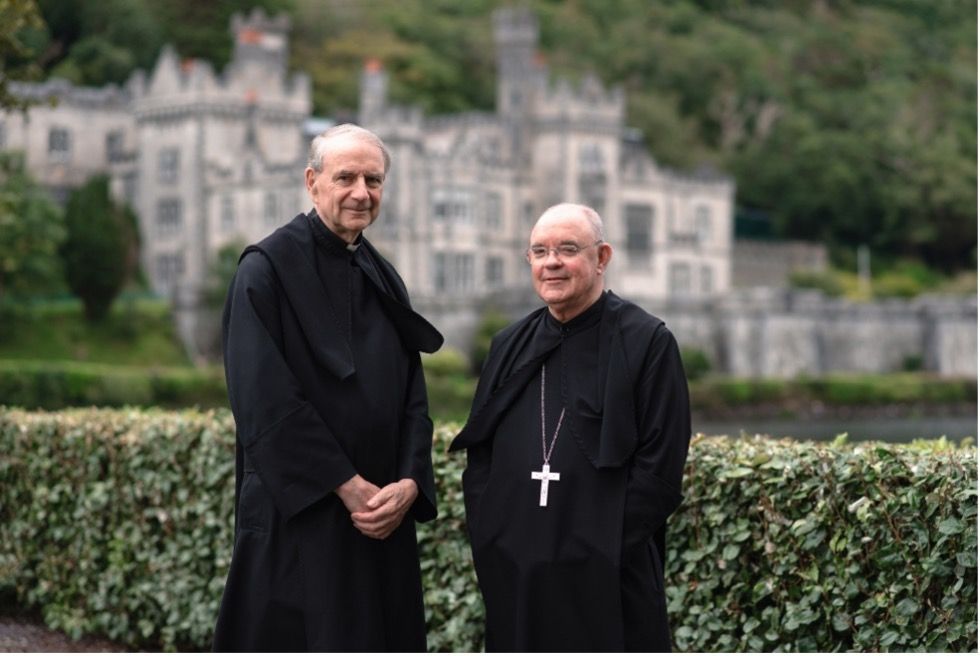
Abbot Brendan on the Cistercians on the Feast of the Holy Cross.

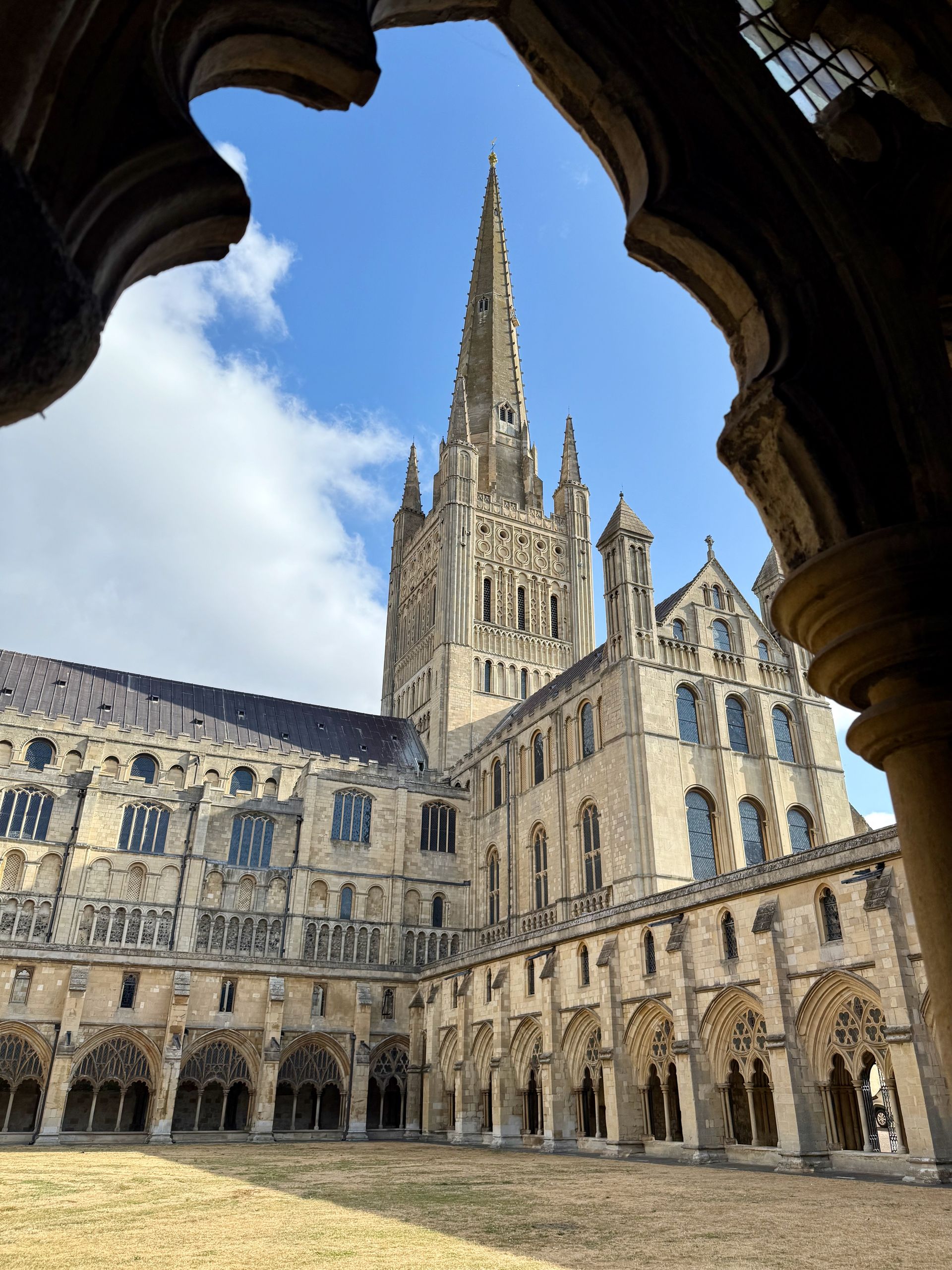
With the Bayeux Tapestry now on display at the British Museum, a question we might ask this evening echoes Monty Python: “What have the Normans ever done for us?” Castles come to mind. Cathedrals, some very fine ones. Changes to our language, our laws, and the landscape itself.
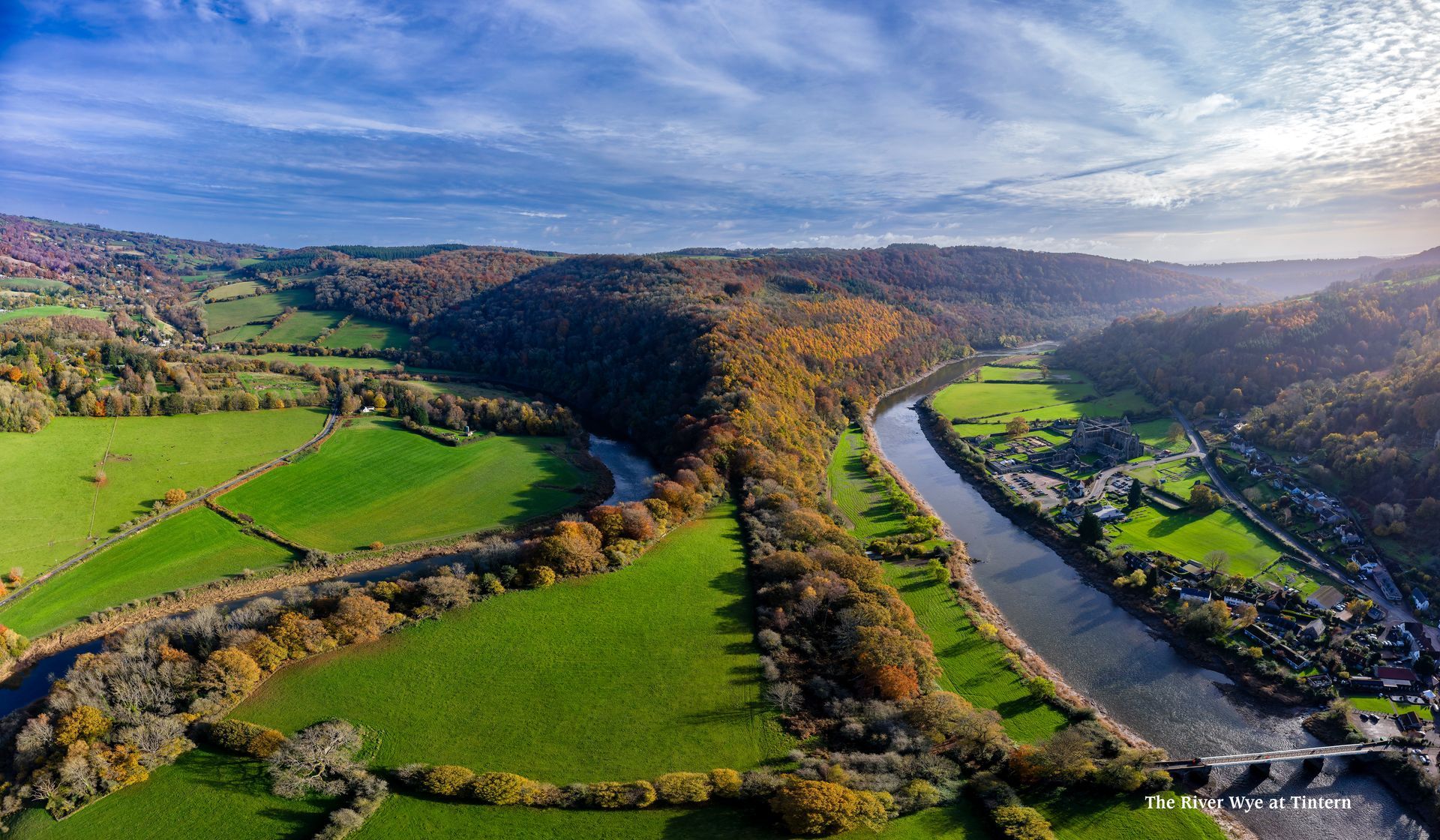
Christian life here already had deep roots. But new foundations brought fresh expressions of the spiritual life. Through figures such as Anselm and Lanfranc, new currents of thought and prayer flowed across the Channel. Then came the Cistercians to remoter parts of the landscape. Here at Tintern, founded in 1131, white monks came to this green valley to seek God.
These stones speak of them: of their skill, patience, ambition and faith. The valley speaks also of silence, contemplation and prayer. Within these walls another work went on: quieter, slower, the work of a lifetime.
The men who lived here came to learn how to love.
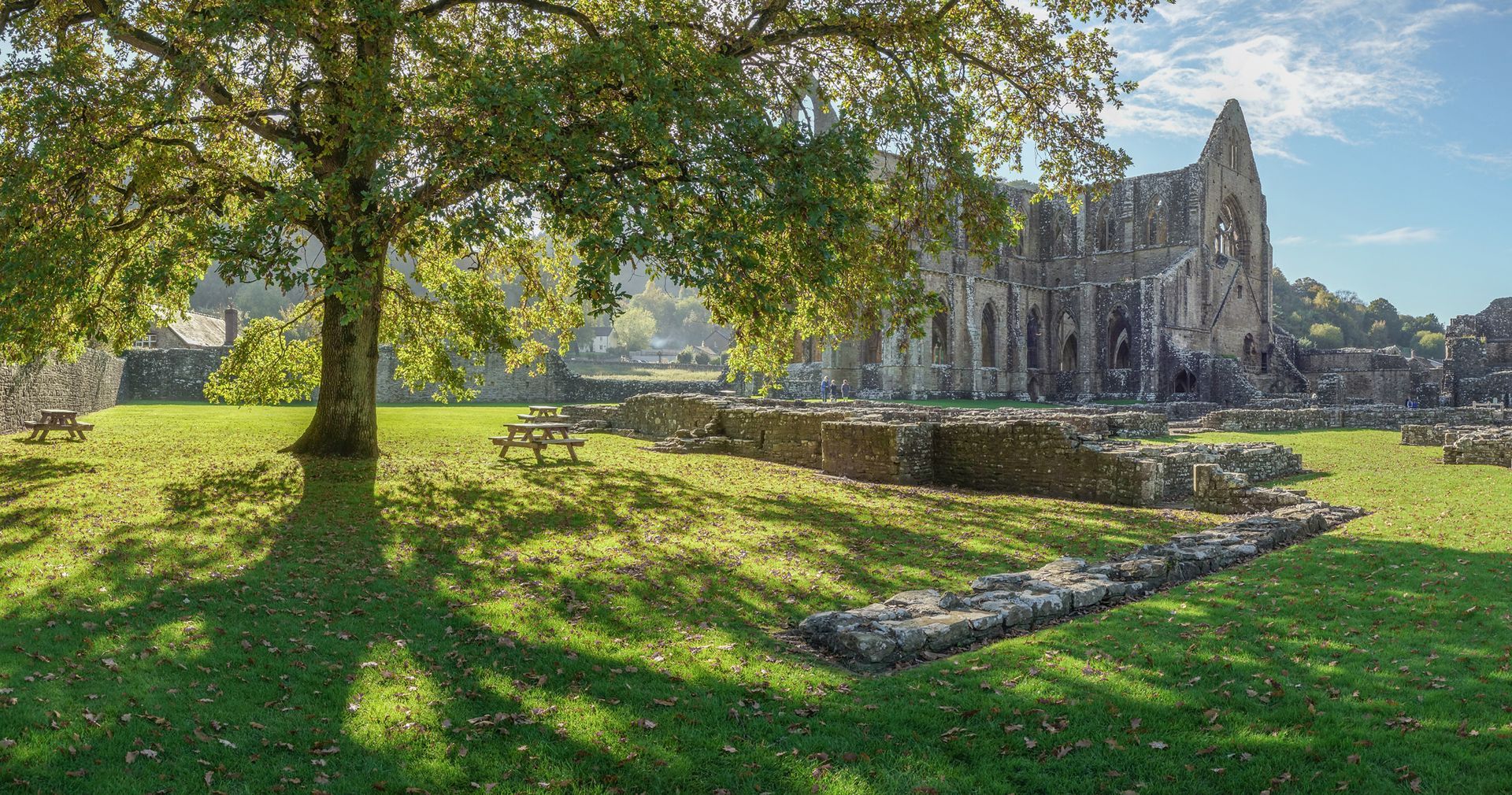
Imagine their footsteps in the cloister. A bell calling to prayer. Voices taking up the psalms while the valley was still dark and silent: “O Lord, open my lips, and my mouth shall declare your praise.” Day after day, through the changing seasons, the same words returned to their lips. “It is your face O Lord that I seek, hide not your face.” Words of longing and thanksgiving, sorrow and praise.
There was also hard work, cold and weariness in the Welsh rain. There was the daily challenge of life together: brothers whose habits irritated, forgiveness that came slowly, contention and complaining, the stuff of human life. All of this was part of their schooling, the daily sandpapering of the monastic life.
But the great Cistercian writers reveal something else of the minds and hearts of these monks. Bernard, Aelred, William: their pages are alive with affection, longing and delight. They knew the joy of friendship and the ache of absence. They paid attention to what was happening in the human heart. The real work was going on inside.
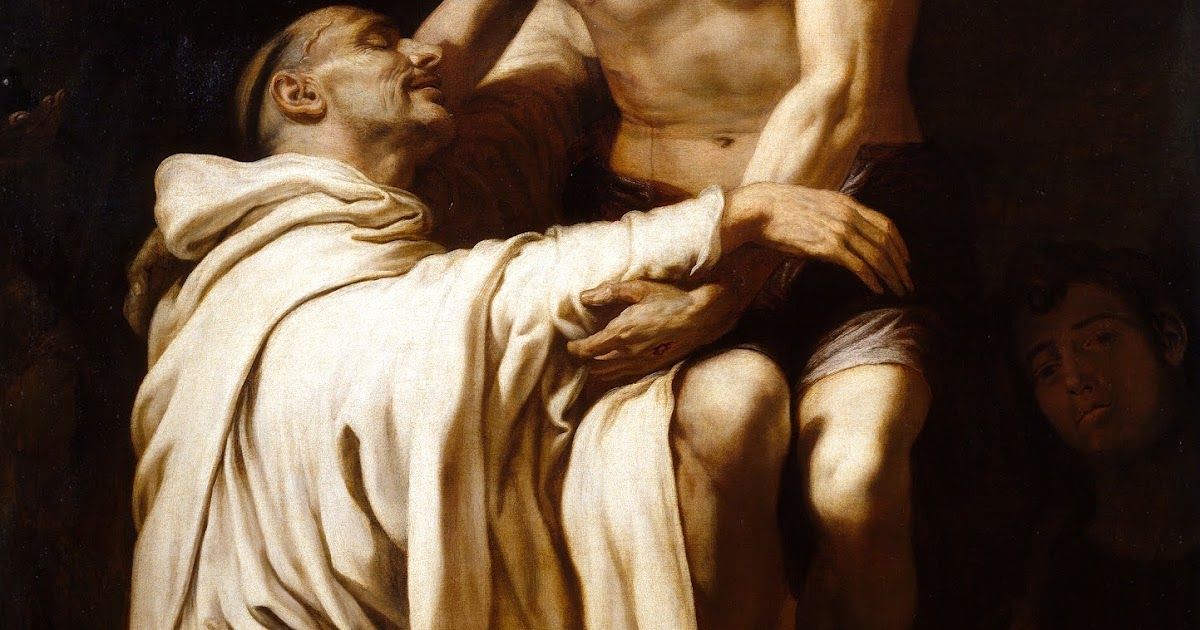
As we gather on the feast of the Holy Cross, I think of the words of the historian Tom Holland: “What happened at the Crucifixion changed the world.”
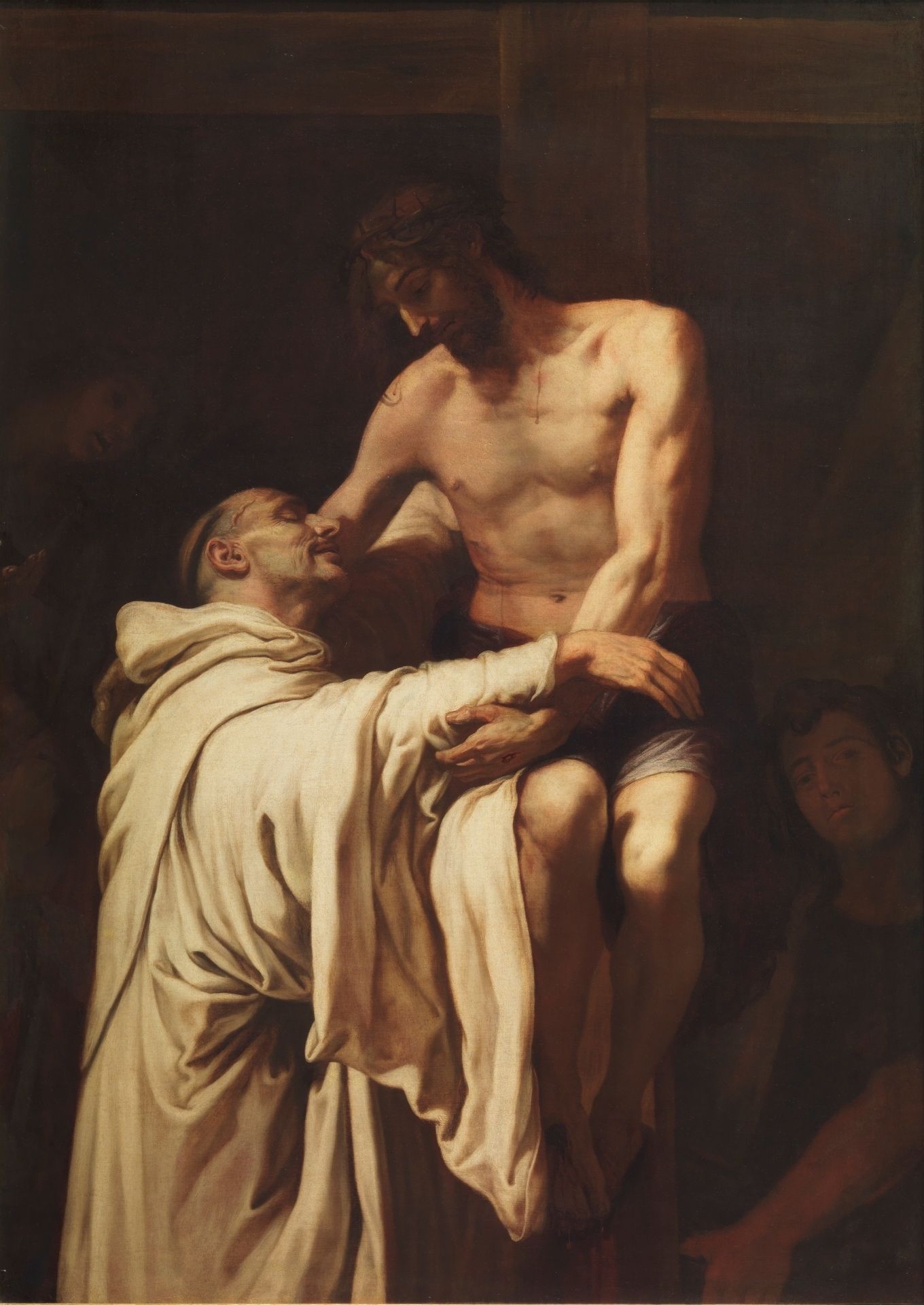
What the Cistercians saw on Calvary was more than dereliction. St Bernard looks upon the wounds of Jesus and wrote: “The secret of his heart is laid open through the clefts of his body. That mighty mystery of loving is laid open.” Amid the desolation, he sees mercy: the heart of God opened to us in love. We exalt the cross because there Christ’s love meets the world’s violence
William of Saint-Thierry wrote: “He taught us to love him by first loving us, even to death on the cross.” Here was the heart of their schooling. They discovered themselves loved and learnt to love in return. “Put nothing before the love of Christ” said St Benedict.
And beside the cross of Jesus they found his Mother Mary. She had held him, fed him, searched for him, listened to him. Now she stands beside him in his dying.
Bernard remembers Simeon’s prophecy: a sword would pierce her own soul. Her Son’s suffering reaches into her own heart. She loves him, and she cannot make herself safe from what is happening to him. And Bernard turns from her towards his monks. How could their remembrance of her sorrow leave their hearts untouched - “hearts of iron and stone though they are”?
These walls were built of stone. Within them, men sought hearts of flesh. Hearts that could be moved. Hearts that could recognise another’s suffering and stay beside it. Hearts in which there was room for someone else. Hearts open to friendship. Hearts that could expand in the delight of love.
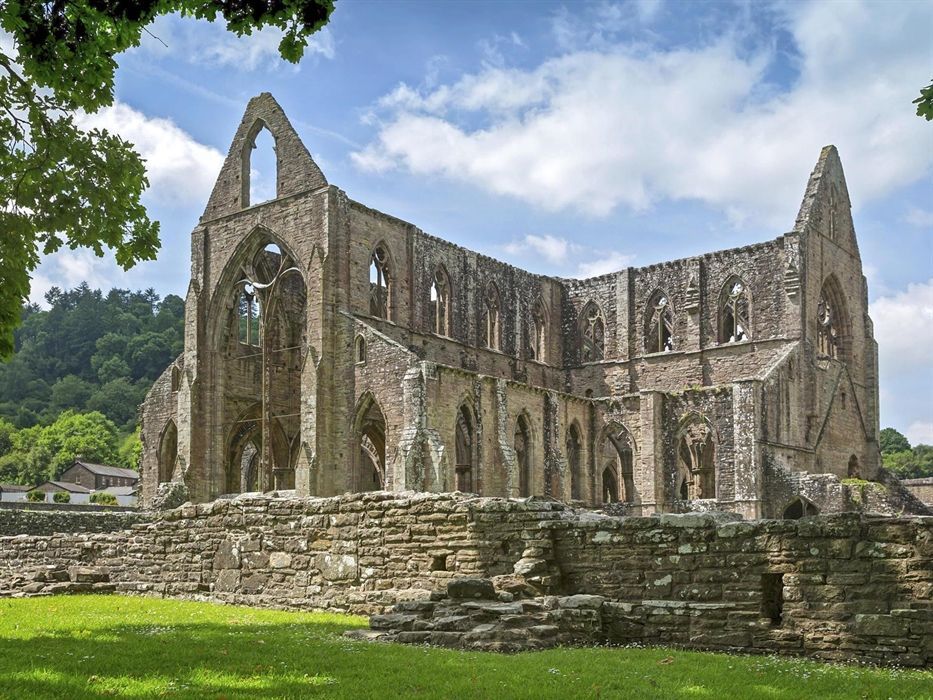
What do we make of Tintern today? What do we hear in its silence? “Bare ruined choirs, where late the sweet birds sang.”
Perhaps we should listen in our hearts for the singing of the monks, and for the longing that brought them here. The ache of an empty place can remind us of the lives once shared here, the burdens carried, the love patiently learnt. The love that gave their lives meaning.
At the foot of the cross, Jesus entrusted Mary and the beloved disciple to one another. In the midst of loss, there is someone to receive, someone to care for. A household begins; community is born.
And this evening there are voices here again. There is prayer among these stones. Love in the ruins. We have come from our different churches, we have our own stories, carry our own hopes and sorrows, but are drawn by the same Christ.
The crucified Lord is risen. We glory in his Cross and his love still gathers us, still.
In our wounded world, we pray for community to be renewed: in our towns and villages, our monasteries and parishes. And we ask what part we can play. Whose burden will we help to carry? Whose sorrow will we stay beside?
The men who lived here came to learn how to love.
Tintern was one of those schools of love that can inspire us still.
May we carry that learning home.