Dedication of the Abbey Church
“O Lord, I love the house where you live, the place where your glory abides.”
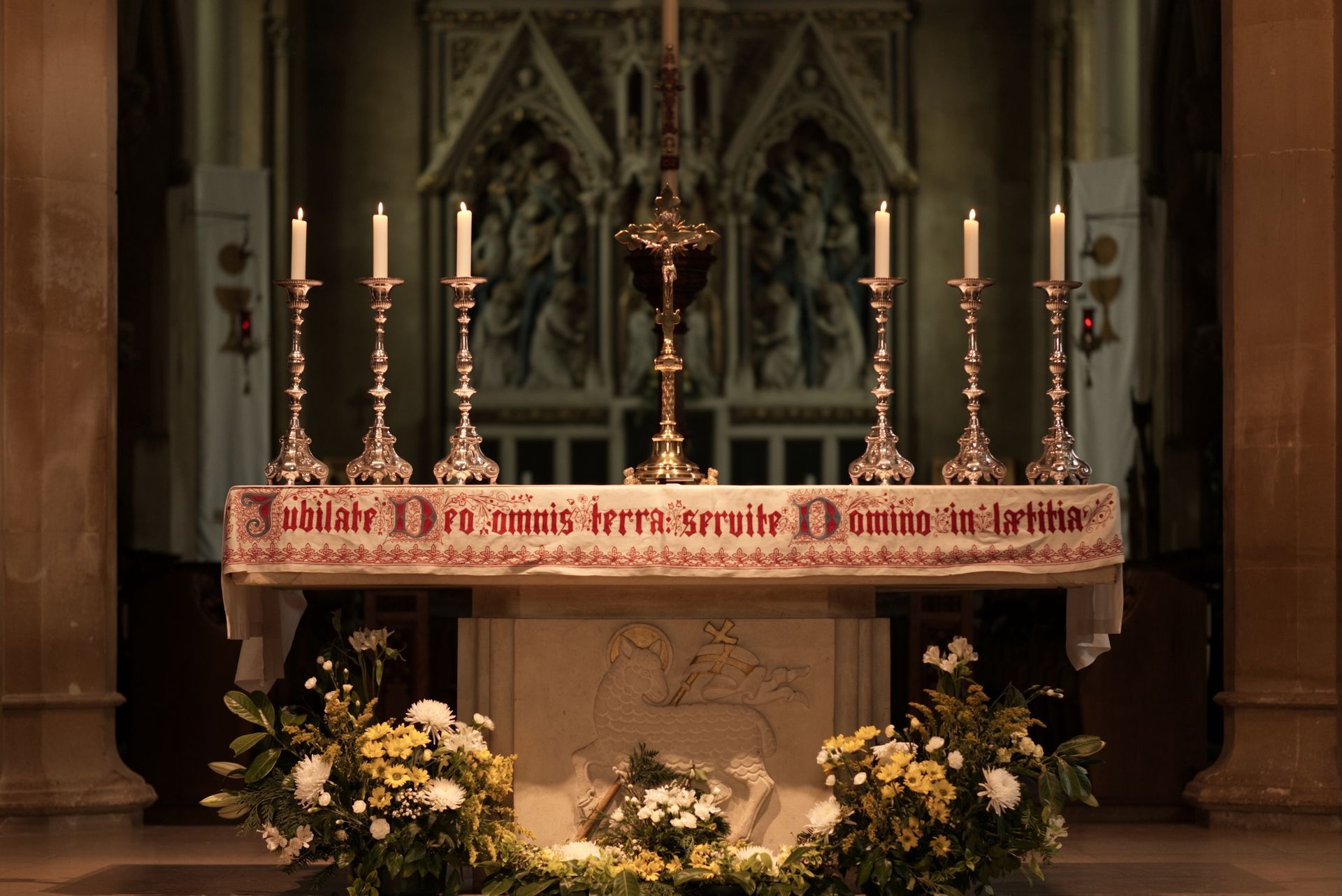

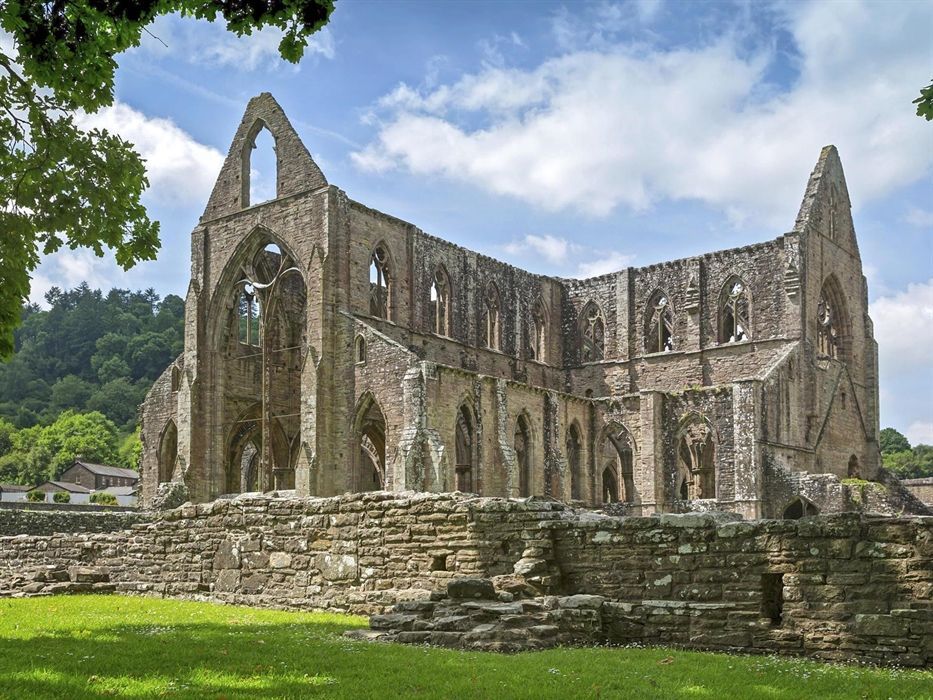
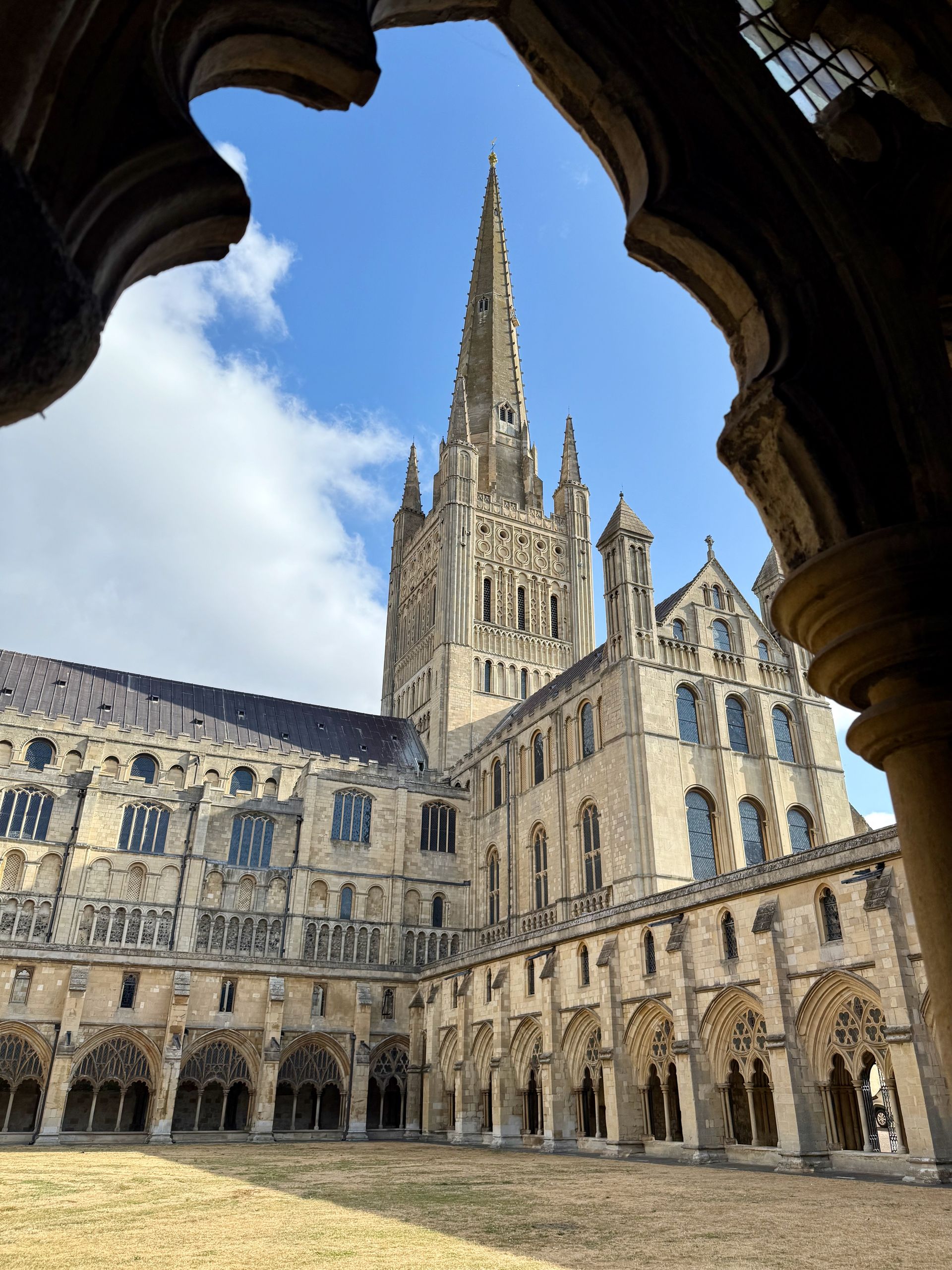
What the Psalmist says of the Temple surely expresses something of what we feel about this church: this little Gothic jewel, this small glimpse of heaven on earth.
There are moments when it seems almost to come alive: when the morning sun streams through the stained glass and catches the incense; when the melody of the chant, our psalms and hymns, fills its vaults; when stone and glass and music seem to join together in praise. Then we understand the words of another psalm: “How lovely is your dwelling place, Lord God of hosts.”
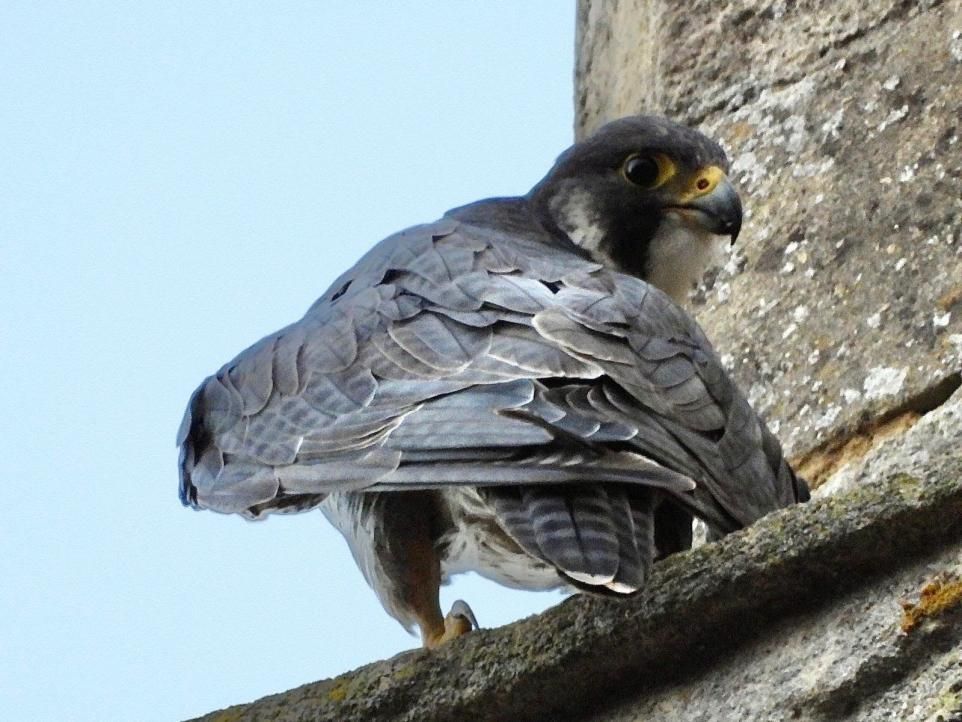
And I love the little image which follows: the sparrow finding a home, the swallow a nest for her young beside the altars of the Lord. It is an image of trust and peace, of having found somewhere to belong. And this church has become such a place for generations of monks, parishioners, pilgrims and visitors. We come here because, somehow, here we are at home with God.
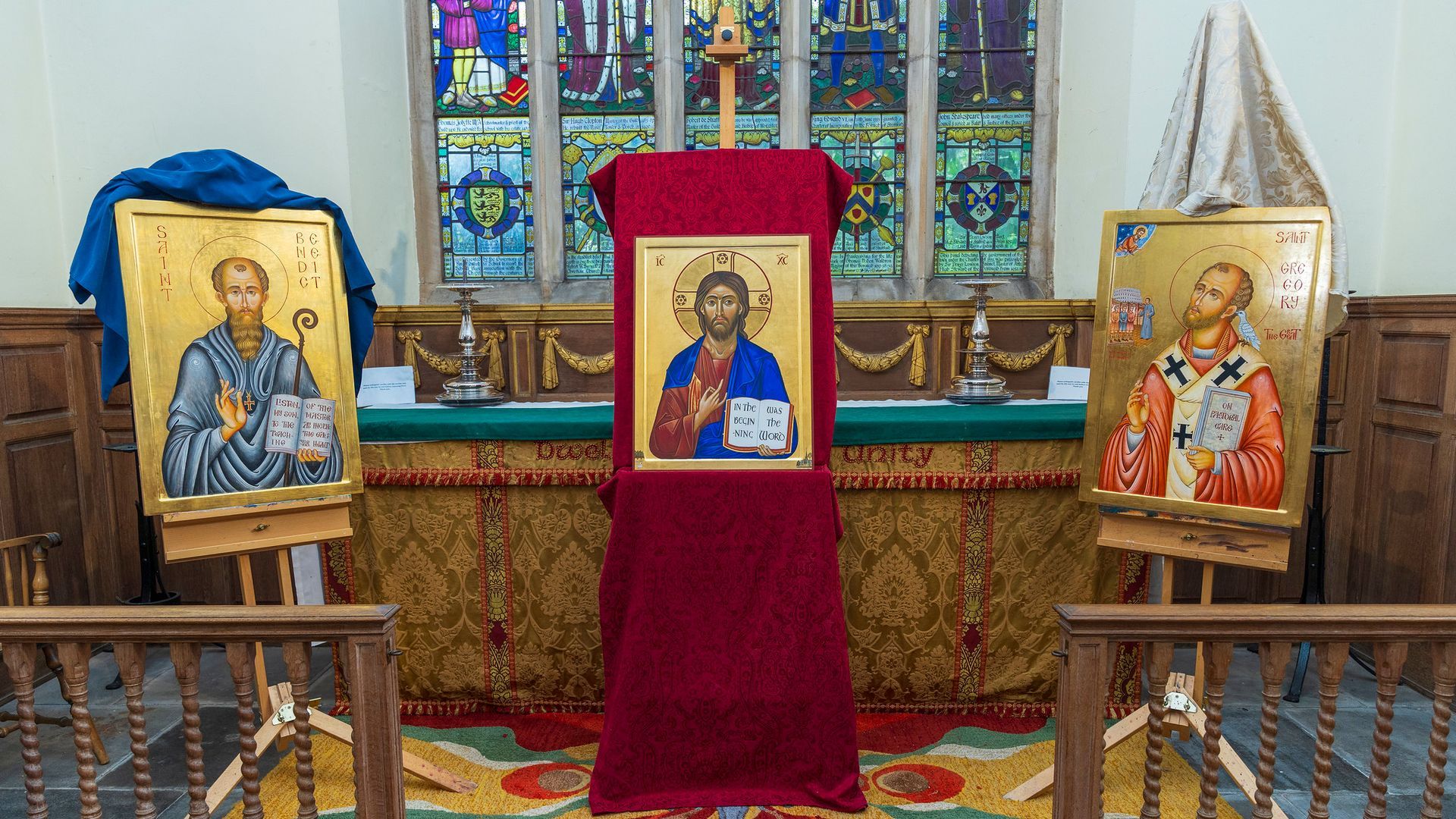
And at the heart of this church stands the altar, with the arches rising above give us our own gothic baldachino. For this is where Christ gathers us to himself.
Here, day after day, Sunday after Sunday, the great mystery of our salvation unfolds before us — not as something we merely remember, but as something into which we are drawn. Here the death and resurrection of Christ are made sacramentally present. Here we receive, as St John says, “grace upon grace.” Here Christ gives himself to us in the Bread of Life, so that his life may become our life.
And perhaps that brings us to the deepest meaning of today’s feast. We give thanks for this beautiful church, fashioned from stone and glass, filled with light and music and prayer. But the church God most desires to build is not finally one made of stone. St Peter tells us: “Like living stones, let yourselves be built into a spiritual house.”
St Augustine, preaching on the dedication of a church, told his people that what they saw completed in the building was also being completed in them. The stones of the church are an image of ourselves: gathered from many places, shaped and fashioned, and built together into one dwelling place for God.
That is what all this beauty is for. The beauty of the building leads us to the altar; the altar leads us to Christ; and Christ transforms us into what we receive — his Body.
So today we recall the dedication of this church with gratitude and love. But we ask God to dedicate us too: to make us his living stones, his dwelling place, a people in whom something of his beauty, his holiness and his love can be seen.
Then this church will truly fulfil its purpose: not simply to be beautiful, but to make us beautiful in Christ.
A church of living stones, radiant with his glory.