Different Saints, One Happiness
Homily by Abbot Brendan.

We have just heard the Beatitudes. Blessed are the poor in spirit, the gentle, those who mourn, those who hunger and thirst for righteousness, the merciful, the pure in heart, the peacemakers.
We can hear them as a list of things Jesus wants us to do. But perhaps there is a deeper way of hearing them. Before the Beatitudes are a programme for the Christian life, they are a portrait of Christ himself.
Jesus is the poor man, utterly dependent upon the Father. He is the gentle one. He mourns over Jerusalem and weeps at the tomb of Lazarus. He hungers and thirsts for the Kingdom. He is merciful to the sinner, pure in heart, the maker of peace. And finally he is persecuted for righteousness’ sake. The Beatitudes lead us, in the end, to the Cross.
So when Jesus says, “Blessed are you,” he is not simply giving us a new set of commandments. He is saying: this is my life; come and share it.
And that, I think, is the secret of the saints. They are men and women who have allowed the life of Christ to take flesh in them. Christianity is not finally an idea to be understood, but a life to be lived. Jesus showed his disciples a way of being alive: his way of loving, praying, feasting, forgiving, speaking the truth, washing feet, carrying the Cross. And he said: Follow me. Share my life.
But the wonderful thing is that when people do follow him, they do not all become the same.
Saints Are Different
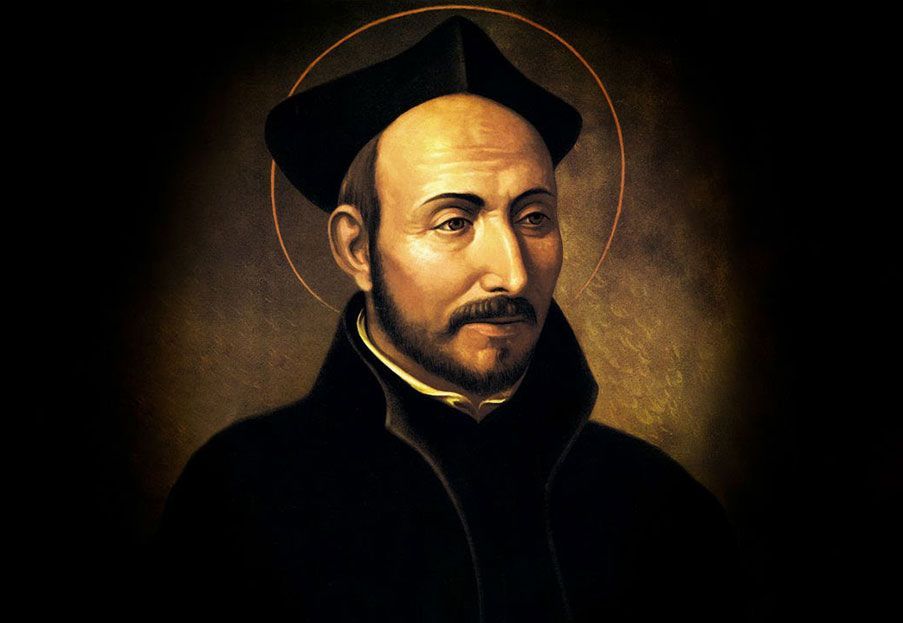
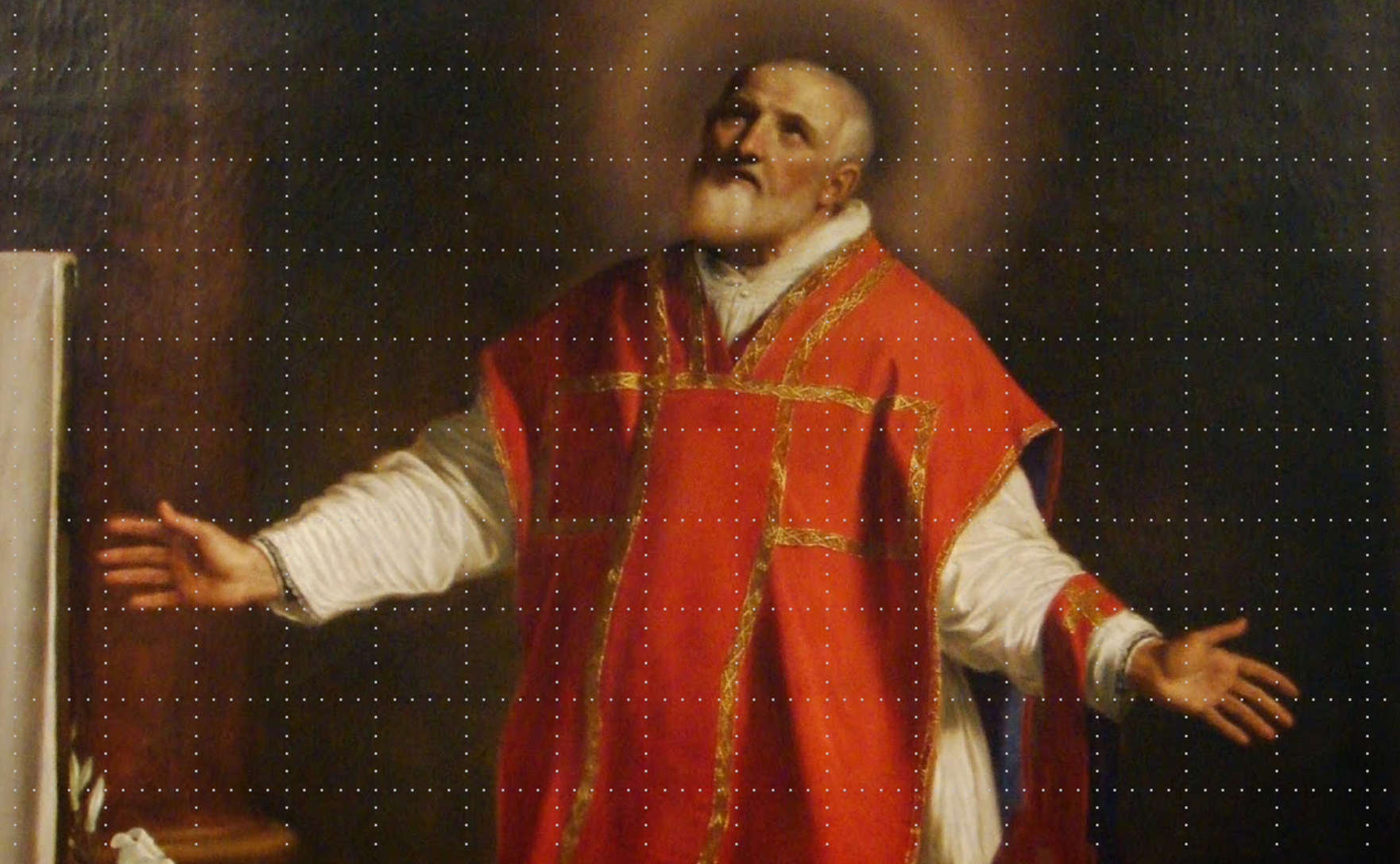
There is a lovely story about St Philip Neri and St Ignatius Loyola. They were contemporaries in sixteenth-century Rome, both great saints, both priests, both founders—and utterly different characters. Ignatius was organised, disciplined, strategic. He founded the Jesuits, with their almost military discipline in the service of Christ. Philip was spontaneous, humorous, unpredictable. He believed that cheerfulness was an essential part of holiness. He called his home “The House of Mirth.” Philip is said to have remarked that when faced with a difficult decision he would ask what Ignatius would do—and then do the opposite.
And the wonderful thing is that the Church canonised them both. In fact, they were canonised on the very same day.
The Church does not say: here is the approved Christian personality. Become like this. God did not need Philip Neri to become another Ignatius Loyola. He needed Philip to become Philip, filled with Christ. Nor did he need Ignatius to become Philip. He needed Ignatius, with all his extraordinary gifts of discipline and intelligence, to respond to God’s grace in his own way.
One of the Desert Fathers, Abba John the Dwarf, put it beautifully. He said that the saints are like a group of trees. Each bears different fruit, but all are watered from the same source. “The practices of one saint differ from those of another, but it is the same Spirit that works in all of them.”
What a beautiful image for All Saints: an enormous orchard of God.
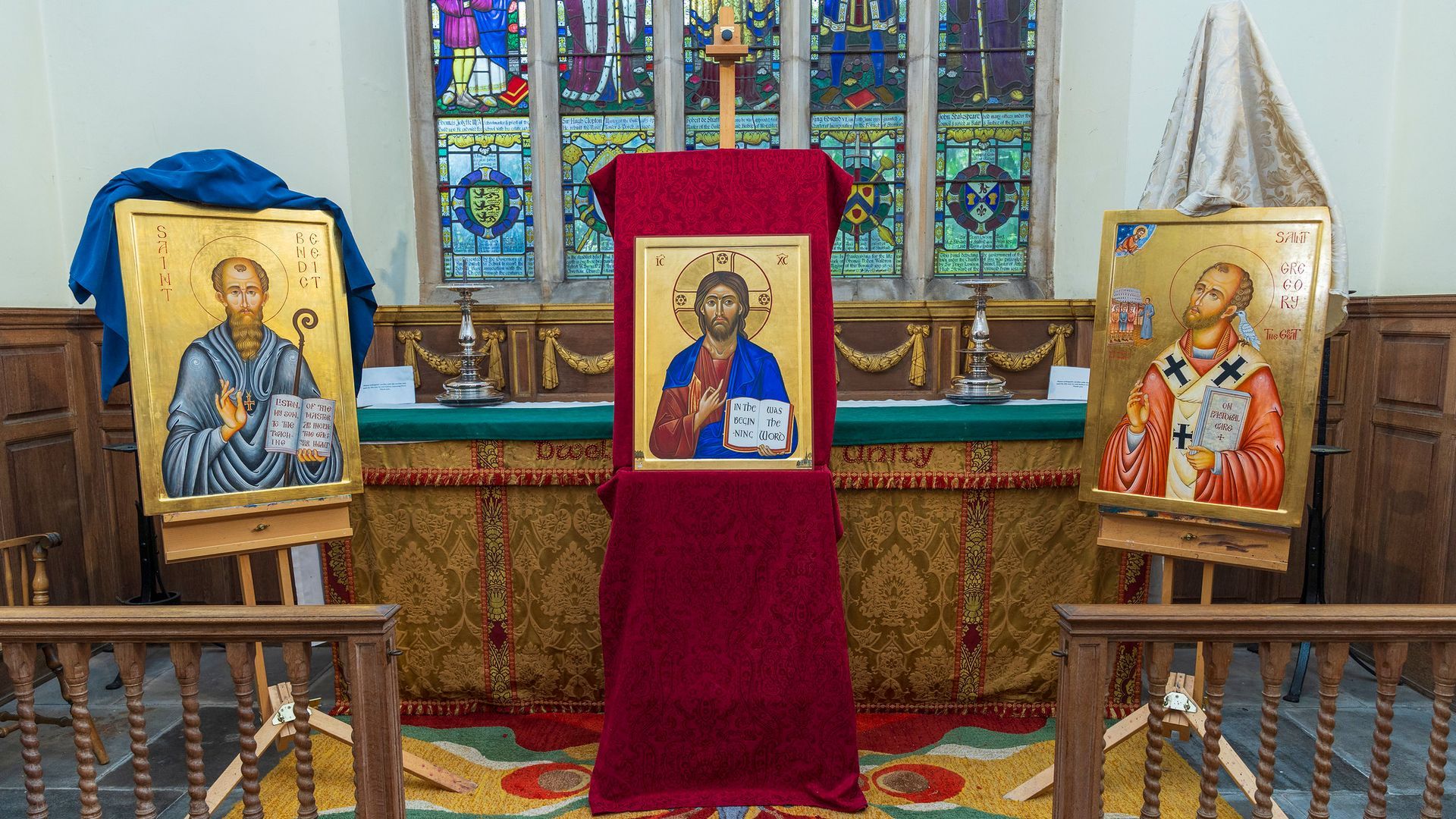
No two trees quite alike. Benedict does not look like Francis. Teresa of Avila does not look like Thérèse of Lisieux. Peter is not Paul. Bede stays in his monastery and Boniface crosses Europe preaching the Gospel. Thomas Aquinas fills volumes with theology; Brother Lawrence washes dishes in a monastery kitchen. There are scholarly saints and simple saints, singing saints and silent saints, hermits and missionaries, mothers and fathers, bishops and beggars, teenagers and old people.
Different fruit. The same water. And that tells us something profound about grace. Grace does not destroy what God has created; it brings it to fulfilment. Holiness is not becoming somebody else. Holiness is allowing Christ to make us fully the person God intended us to be.
Indeed, the closer the saints come to Christ, the more distinctly themselves they seem to become. Sin makes us boringly predictable: pride, envy, greed, resentment, selfishness repeat themselves endlessly. But grace is astonishingly creative. Look at the saints and you discover the extraordinary imagination of God.
Saints Are Happy
But there is something else about the saints, something which brings us back to the Beatitudes. The saints are happy.
That may seem a rather strange thing to say. Many of them suffered terribly. Some were persecuted, imprisoned, tortured, put to death. Others endured sickness, disappointment, failure, loneliness, even periods of spiritual darkness. Their lives were certainly not always comfortable or cheerful. But Jesus calls them “Blessed.”
That word blessed means something very close to happy. But it is a happiness deeper than pleasure or good fortune. It is the happiness of belonging to God, of discovering that our lives have their meaning and fulfilment in him. A happiness that suffering cannot finally destroy, because it rests upon something stronger than suffering: the love of God.
The saints were not necessarily people who had easy lives. They were people who discovered what life was really for.
Holiness is not simply a matter of becoming morally respectable. It is about becoming fully alive. The saints show us what happens when the human heart is opened to the love of God. They become merciful, generous, courageous, joyful, not simply because they have tried harder than the rest of us, but because the life of Christ has begun to transform them.
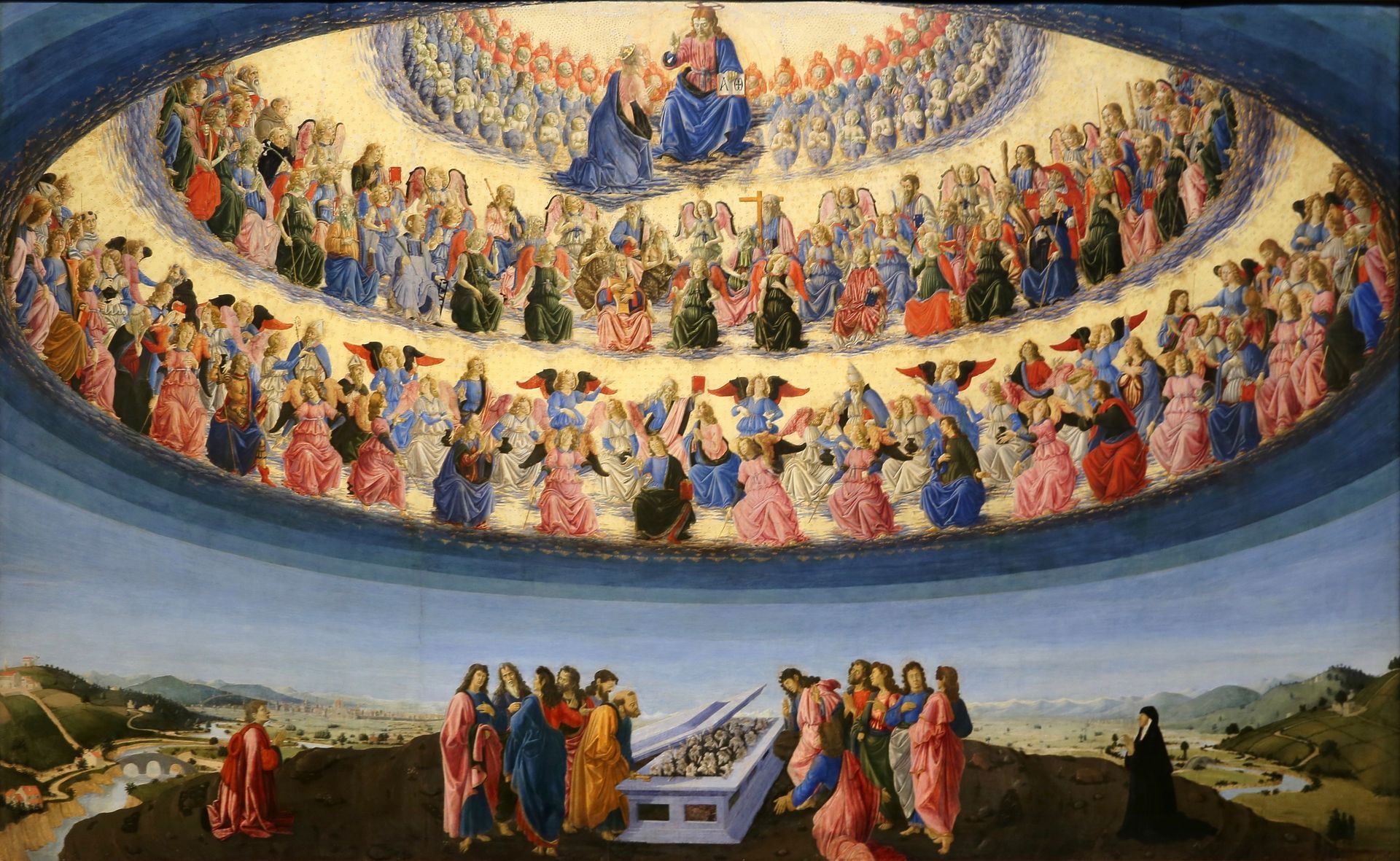
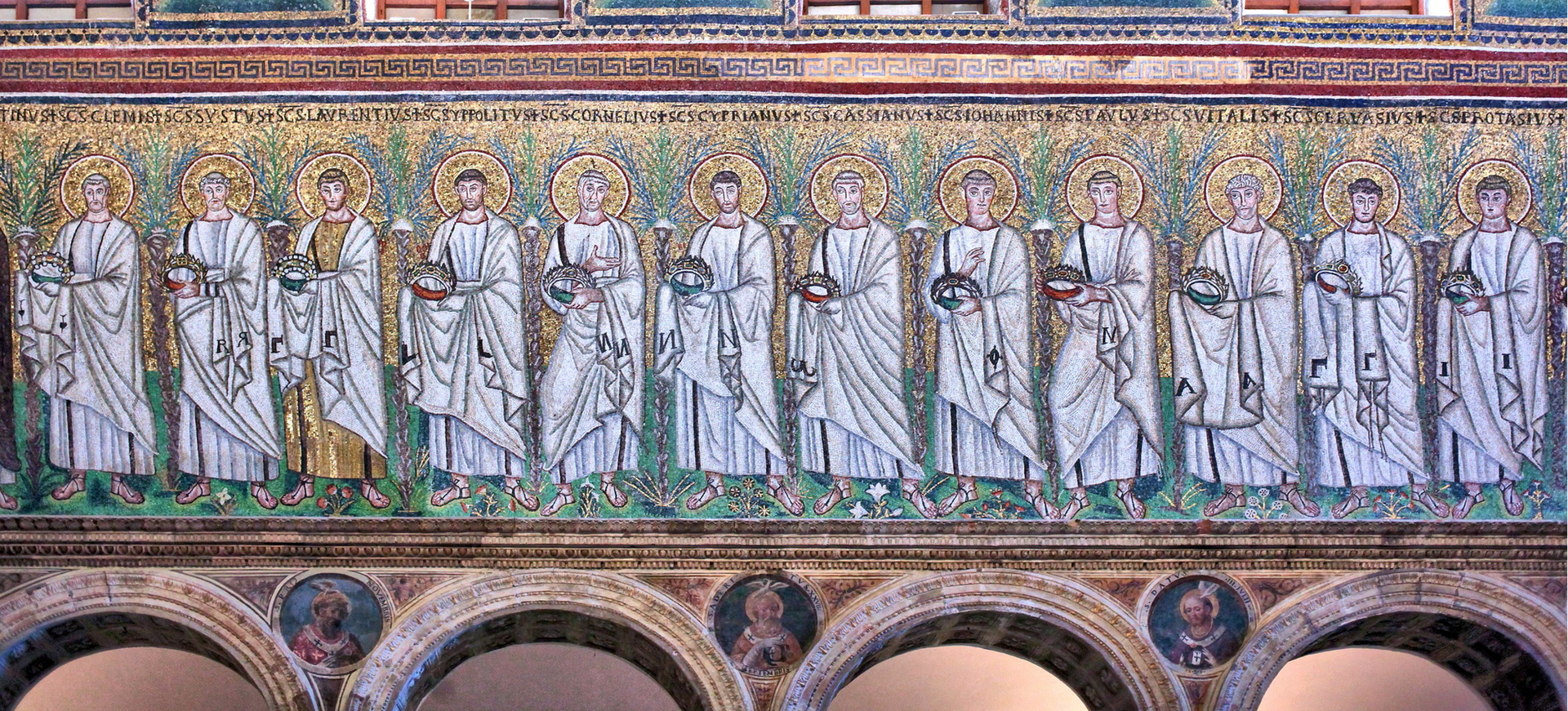
And today we celebrate not simply the saints whose names are in the calendar. St John tells us of “a great multitude which no one could count.” Most saints have no feast day. Most have no statue. Most were never painted with a halo.
There will be among that multitude mothers and fathers who spent themselves quietly for their children; people who cared patiently for someone who was ill; those who forgave when they had every reason to remain bitter; people who made peace not between nations but around a kitchen table; people who noticed the lonely person everyone else ignored; people who planted trees beneath whose shade they knew they would never sit.
The holiness of heaven must be full of surprises. And perhaps All Saints asks us a question which is surprisingly difficult to answer.
Do I want to be a saint?
Do I want to be a saint? Not: Do I admire the saints? Not: Would I like to be a reasonably decent person? Not even: Would I like to be a better Christian? Do I actually want to be holy?
We sometimes imagine sanctity as something rather exhausting, as though God were asking us to become religious superheroes. But Jesus offers us something quite different. He offers us happiness. Not a superficial happiness, but the joy of becoming what we were created to be.
And that can begin in very small ways. Being a little more merciful than yesterday. Making peace with someone we find difficult. Refusing to nurse a grievance. Giving someone our undivided attention. Being generous when nobody will notice. Bearing patiently with another person’s weakness—and allowing them to bear patiently with ours.
We do not need to become Philip Neri or Ignatius Loyola, Benedict or Francis, Teresa or Thérèse. Those positions have already been filled.
God asks something much more interesting of us. He asks us to become ourselves, but ourselves transformed by Christ.
There is a tree in God’s garden which only you can become. There is fruit which only your life can bear. And the water is the same water that nourished all the saints: the Holy Spirit poured into our hearts.
Today we look towards that great multitude, people of every nation, race and language, and realise that they are not simply people to admire from a distance. They are our companions, showing us where human life is going.
Different faces. Different stories. Different gifts. But one Spirit, one Christ, one great happiness.
“Blessed are you,” says Jesus.
And today, perhaps, we might dare to believe that he means us too.