
Message of Abbot Paul - Monday - 4th March 2024
Abbot Paul • March 3, 2024
Today’s message will be short indeed. Yesterday was a very busy day, and I arrived back at Belmont exhausted if emotionally and spiritually uplifted after an exhilarating weekend. It’s difficult to make head or tail of the weather at the moment. We seem to get all four seasons in one day and sometimes the mix is repeated several times in the course of one day. I wonder what our plants make of this and our feathered friends, too.
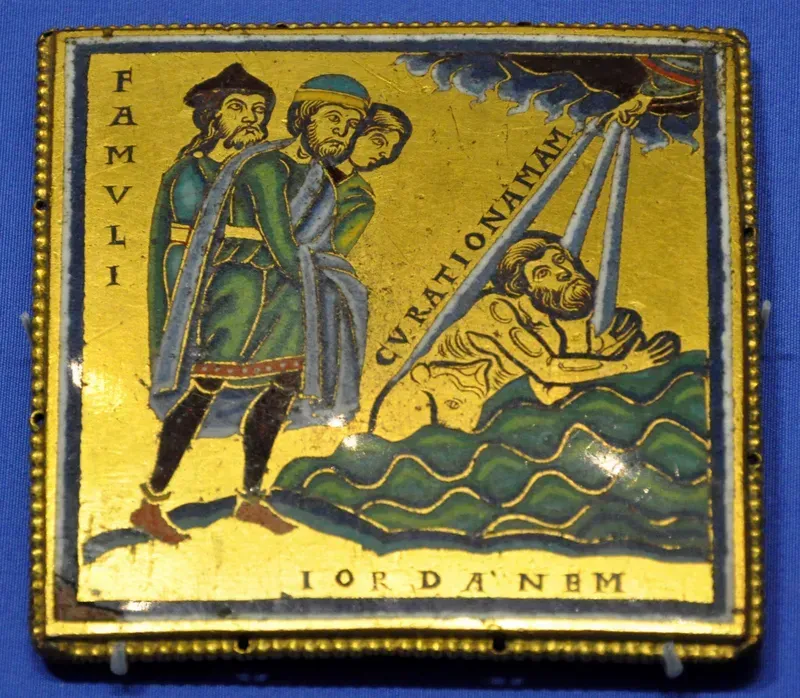
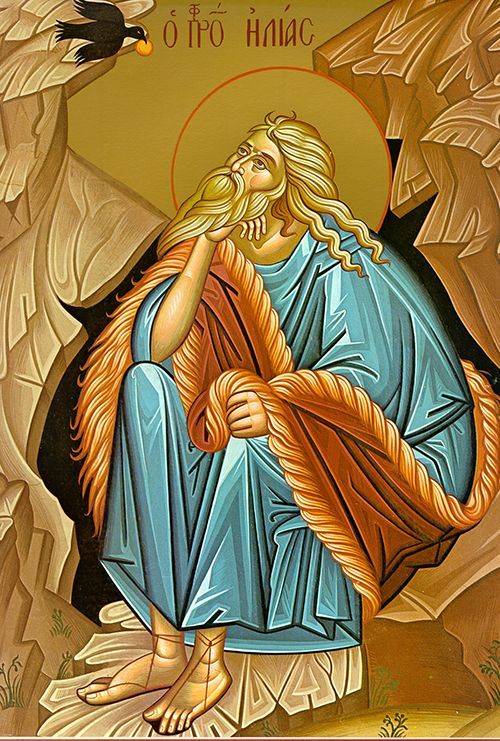
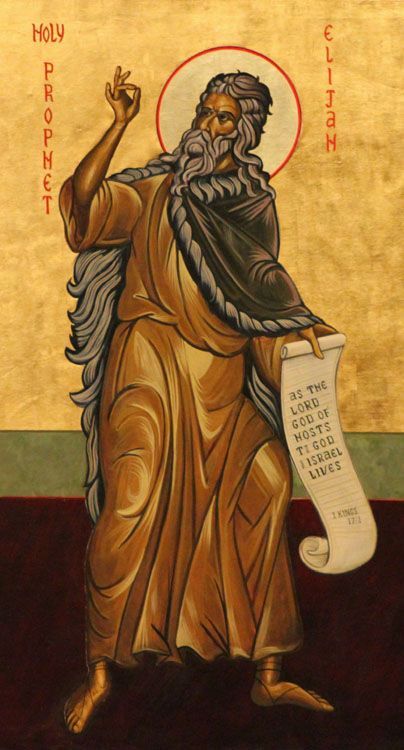
Today’s Gospel from Luke, (Lk 4: 24-30), sees Jesus speaking in the synagogue at Nazareth. He says, “I tell you solemnly, no prophet is ever accepted in his own country.” Needless to say, this infuriates his fellow townsmen. However, he has more to say and gives two examples from the Old Testament. “There were many widows in Israel, I can assure you, in Elijah’s day, when heaven remained shut for three years and six months and a great famine raged throughout the land, but Elijah was not sent to any one of these: he was sent to a widow at Zarephath, a Sidonian town. And in the prophet Elisha’s time there were many lepers in Israel, but none of these was cured, except the Syrian, Naaman.” What Jesus says is perfectly true. During that long drought and famine, the only miracle Elijah worked was for a foreign, and therefore pagan, widow. In the same way, the only healing of a leper in the days of his successor, the prophet Elisha, was of a Syrian and a pagan, Naaman. Jesus compares himself with the two great prophets, not that they were rejected by Israel, but their teaching was usually ignored.
Luke goes on to tell us, “When they heard this everyone in the synagogue was enraged. They sprang to their feet and hustled him out of the town; and they took him up to the brow of the hill their town was built on, intending to throw him down the cliff, but he slipped through the crowd and walked away.” This first rejection of Jesus by his own townsmen is prophetic in that it begins a series of events that escalate and ultimately end with his arrest, trial, passion and crucifixion. On many occasions, Jesus manages to slip through the crowds and escape. Eventually he will let himself be taken, as for this he came into the world, to give his life for the forgiveness of sinners and their salvation. For that sacrifice we give thanks to God today with all our heart.
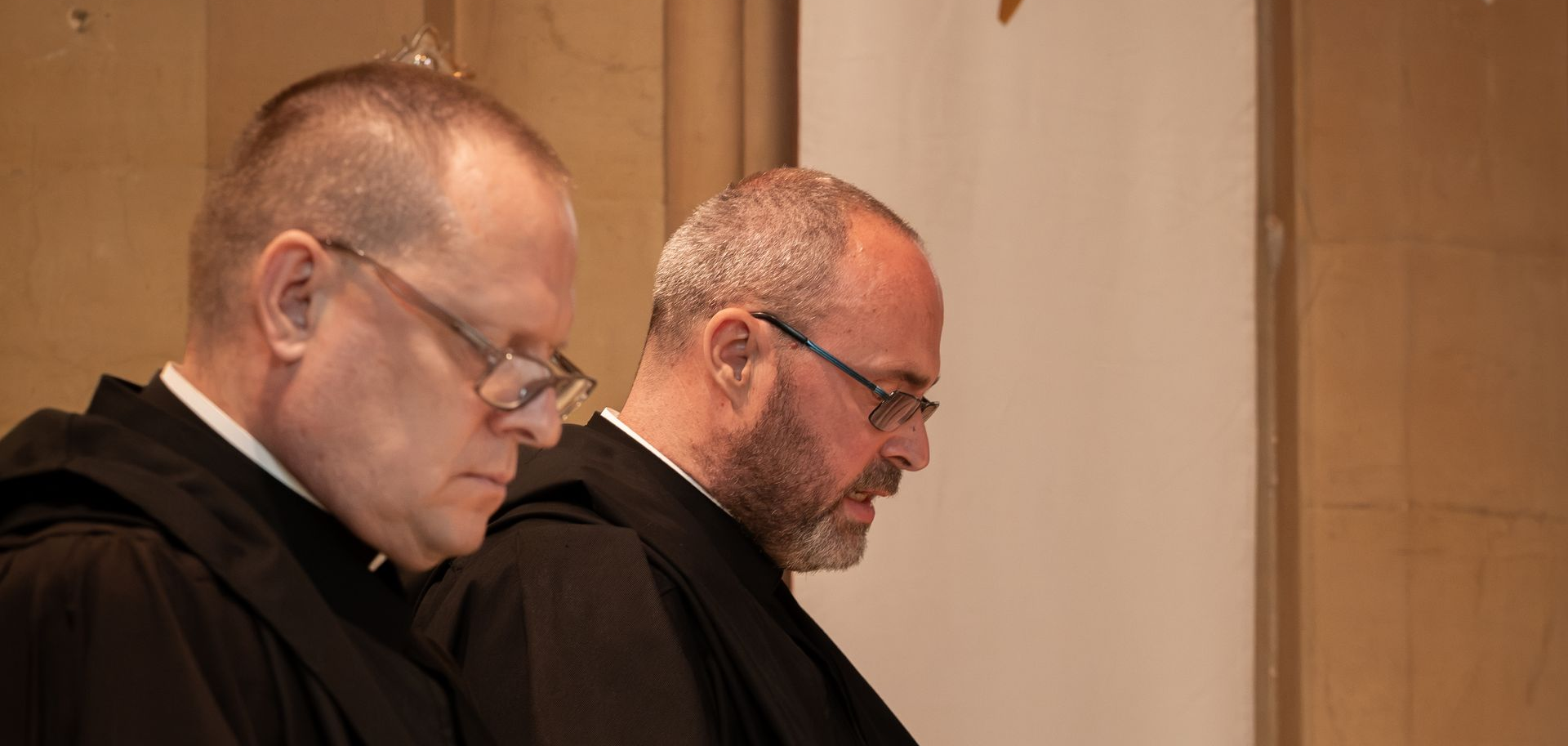
A double celebration on the feast of St Michael and All Angels

A School of Love by the Wye: Abbot Brendan on the Cistercians on the Feast of the Holy Cross.
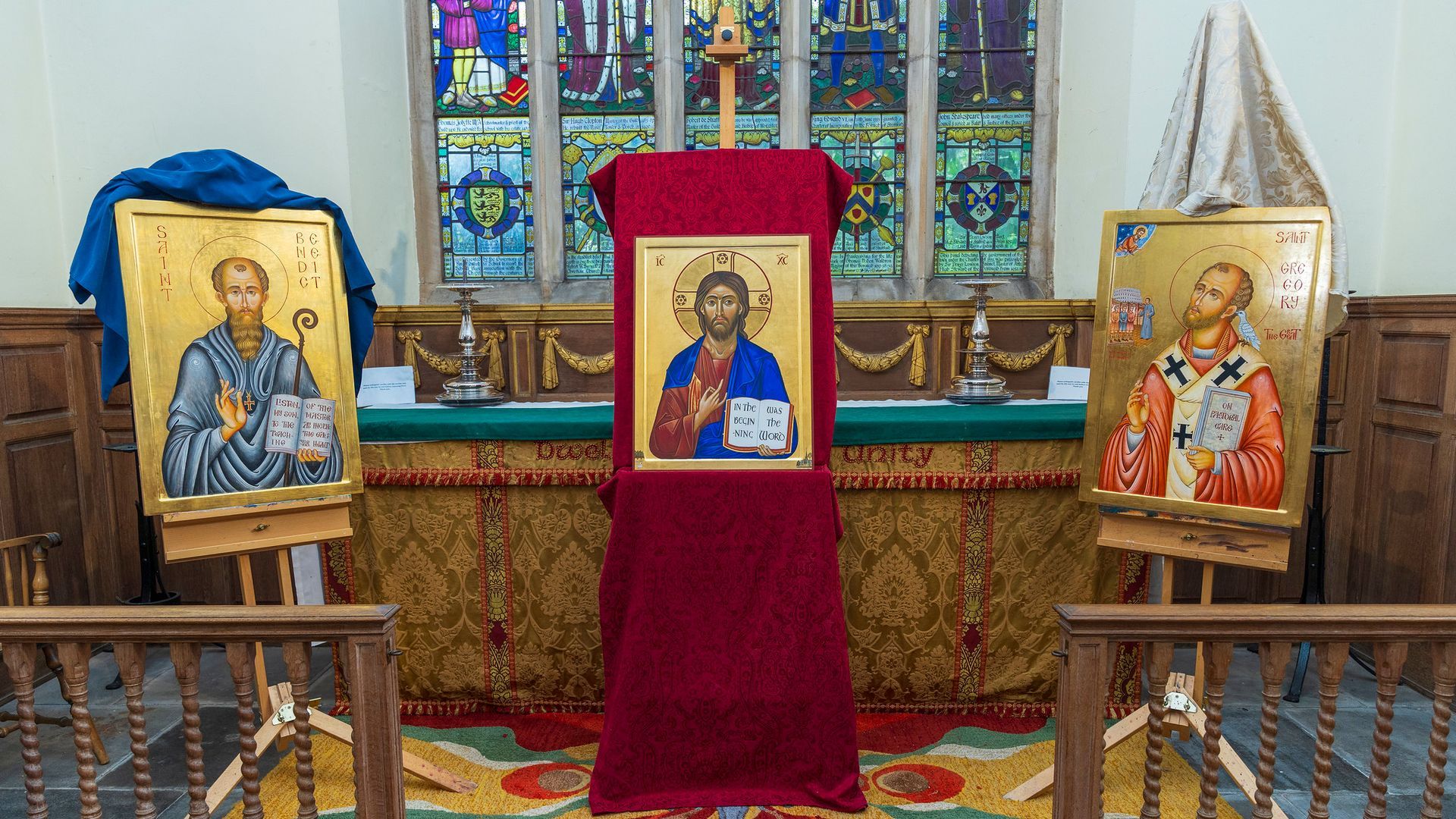
The Blessing of new Icons for the Churches in Stratford-upon-Avon, with inspiring talks by the Abbot Primate and Dr Rowan Williams.
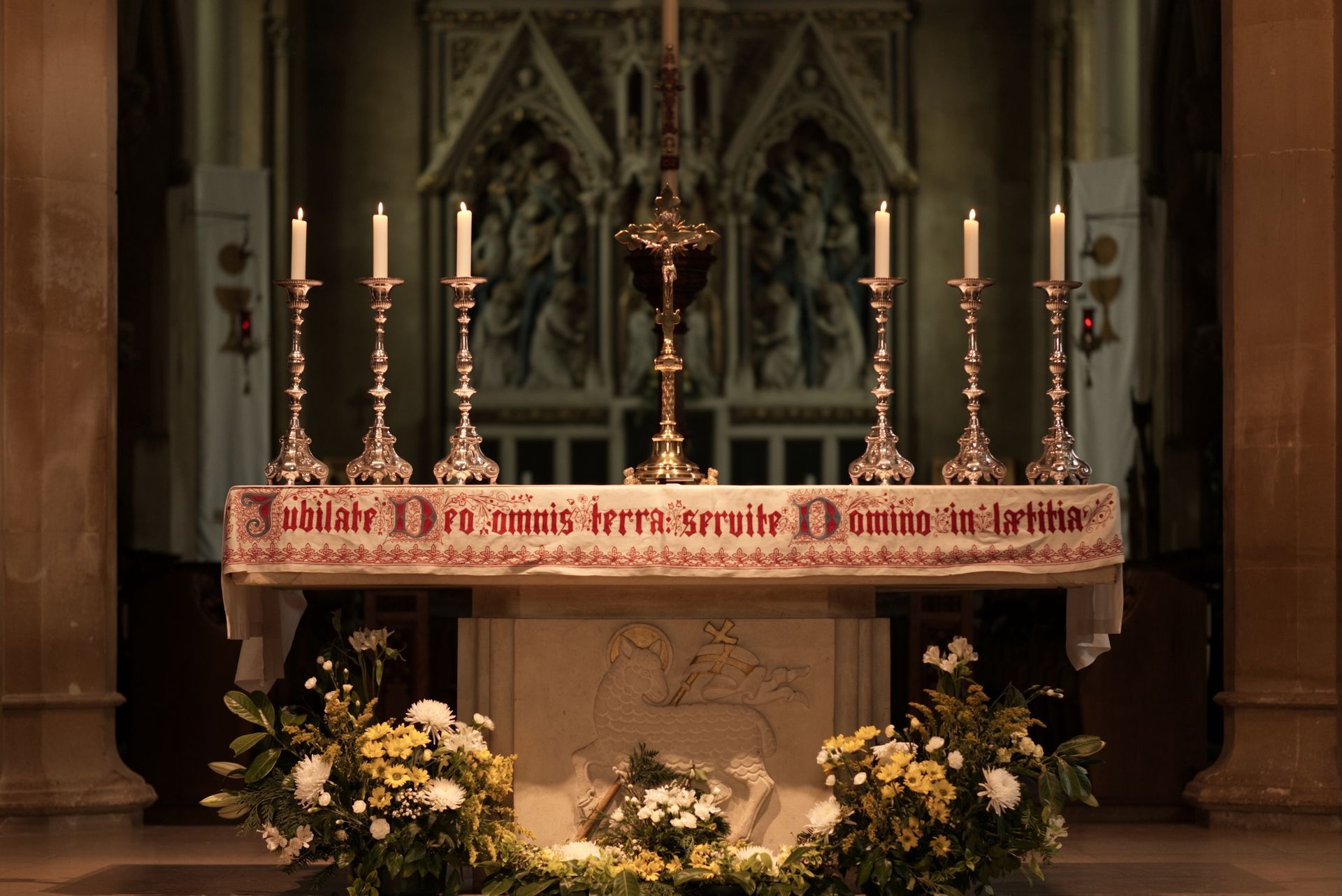
“O Lord, I love the house where you live, the place where your glory abides.”

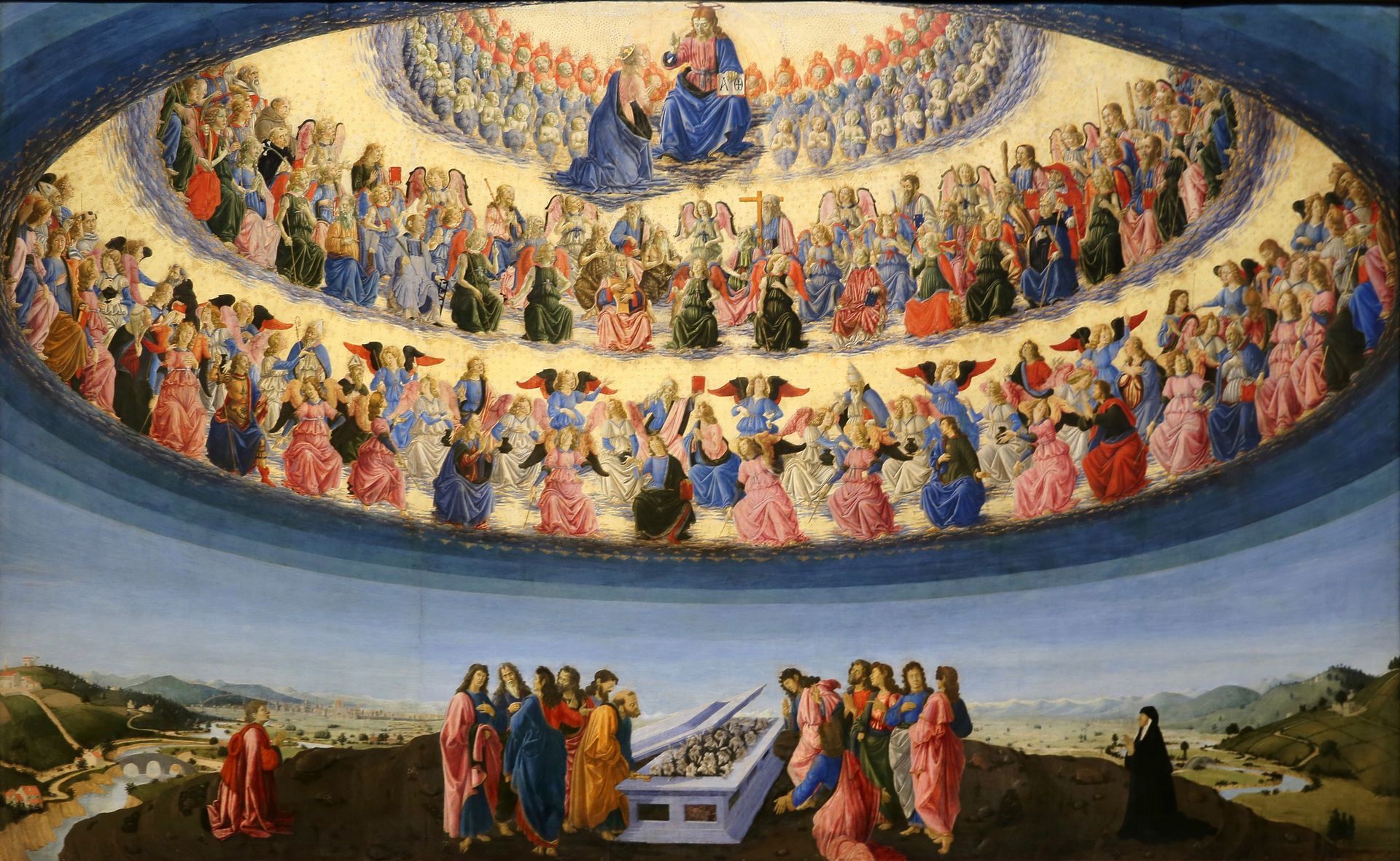
Nothing that is precious and dear to God is simply discarded: homily by Abbot Brendan.


Awaken with a Rule! The St Benedict Week Conference at Norwich organised by the Lay Community of St Benedict
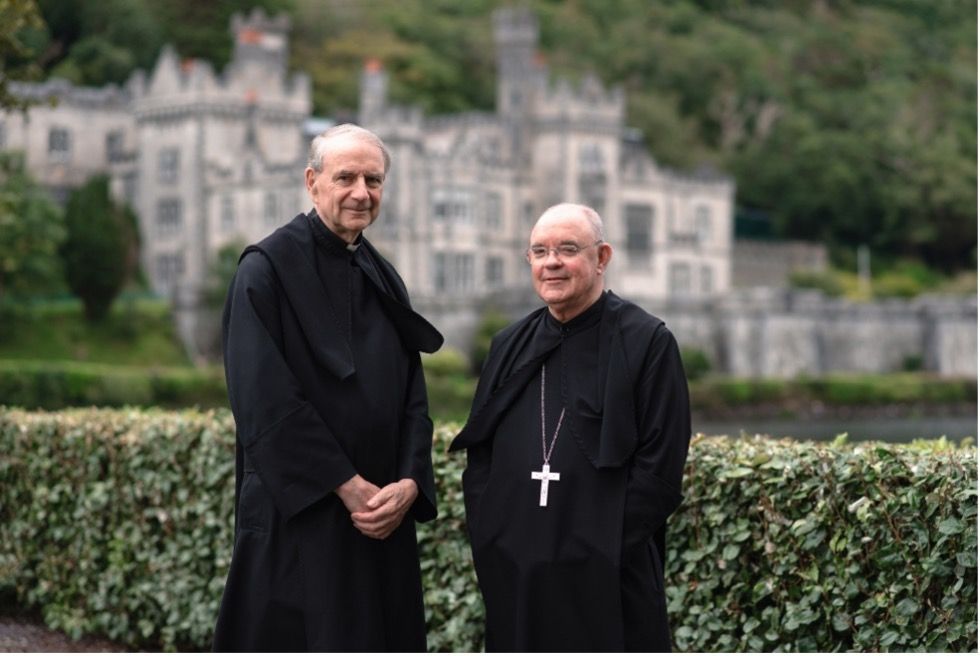
Dom Robert Igo OSB Elected President of the English Benedictine Congregation at Historic 100th General Chapter.