
Message of Abbot Paul - Monday 16th January 2023
Abbot Paul • January 15, 2023
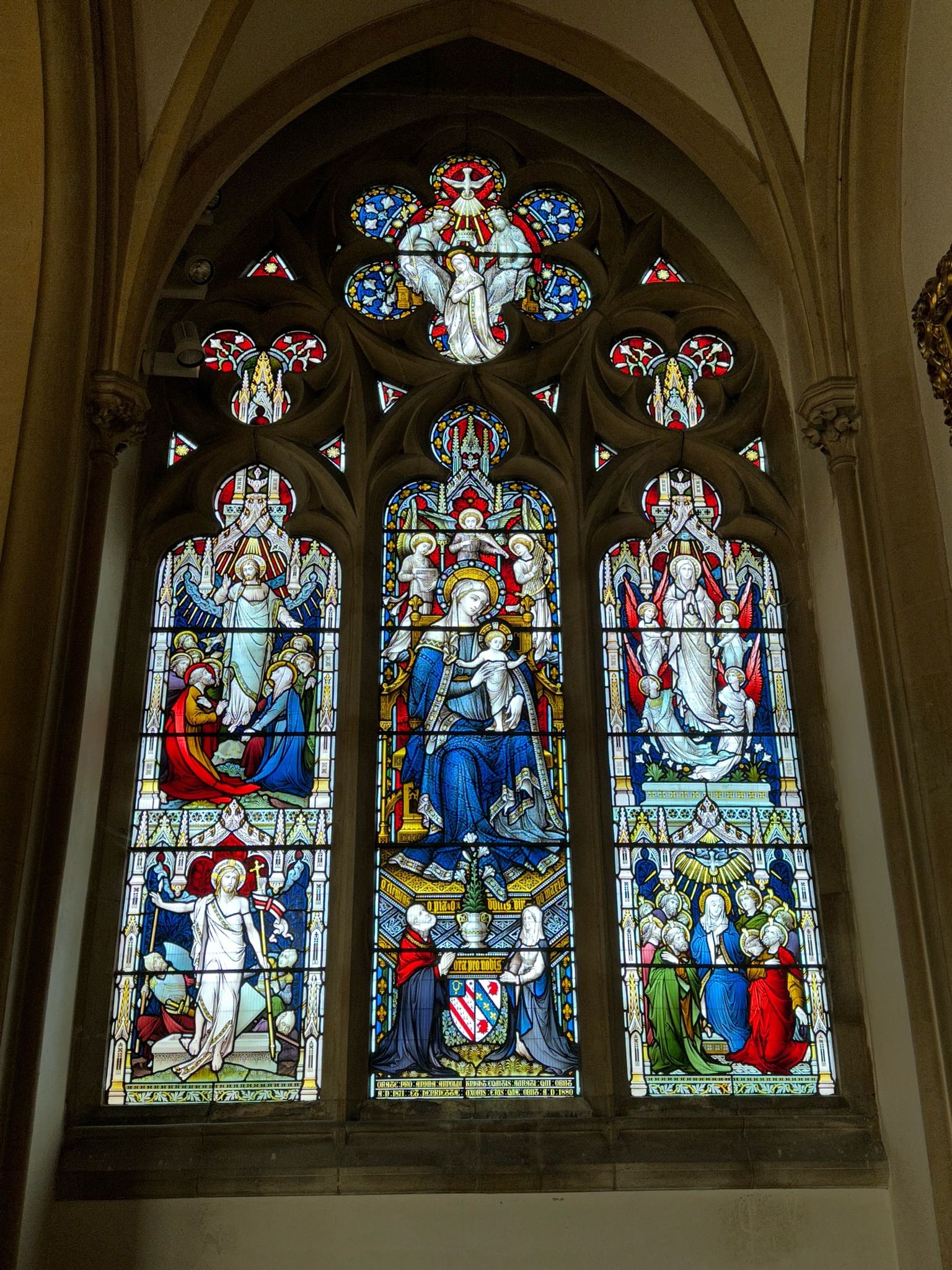
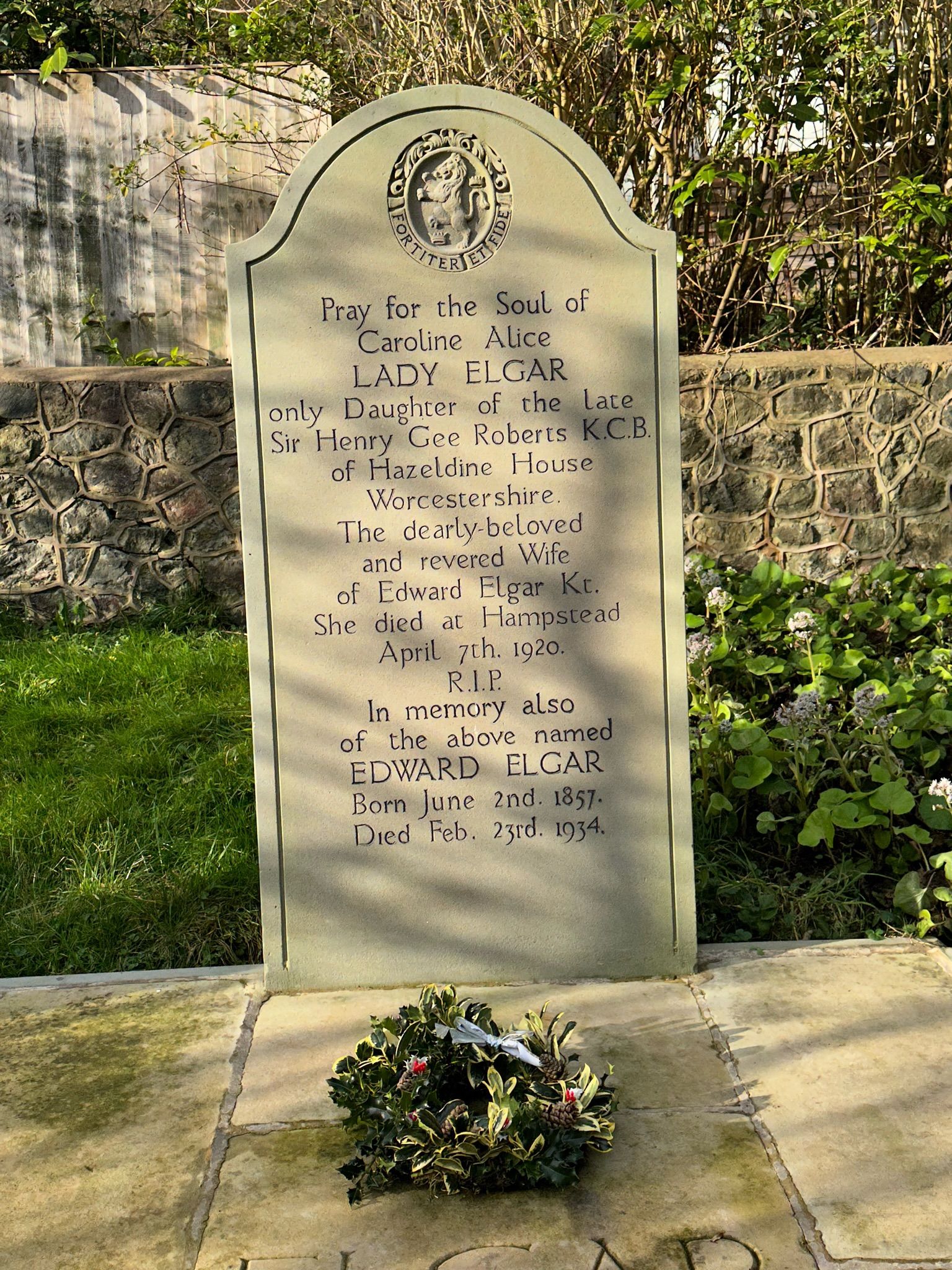
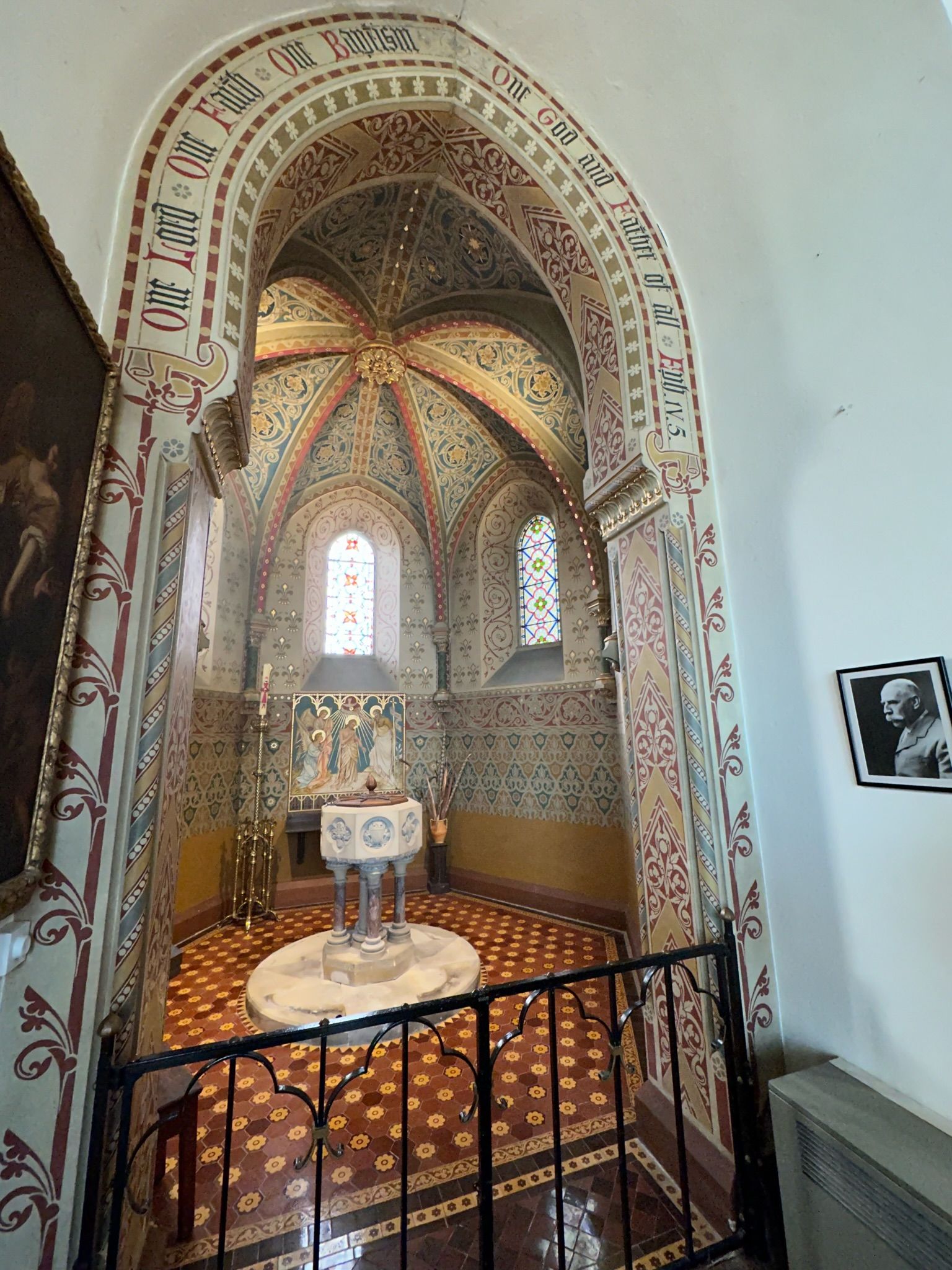
Yesterday, I had a really lovely visit to our parish at Little Malvern to celebrate Mass for the patronal feast of St Wulstan. It was a dry, sunny day, if rather cold in the wind, and from the house and church there were spectacular views over the Worcestershire countryside. The singing of the chant was perfect. When I closed my eyes, I could have been listening to the nuns of old Stanbrook: such happy memories of a distant past. Today, I go to Prinknash Abbey, near Gloucester, to help the monks in their Canonical Visitation. Now I’m not sure if there will be any spare time to write this message or even the means of sending it by email, so be prepared for a blank page until Friday or Saturday. I ask for your prayers, that all will go well. The last time I stayed at Prinknash was in January 1975, when on retreat before my priestly ordination. It seems only yesterday!
Our Gospel reading today comes from Mark, (Mk 2: 18-22), and begins with a quarrel about fasting. “One day when John’s disciples and the Pharisees were fasting, some people came to Jesus and said to him, ‘Why is it that John’s disciples and the disciples of the Pharisees fast, but your disciples do not?’ Jesus replied, ‘Surely the bridegroom’s attendants would never think of fasting while the bridegroom is still with them? As long as they have the bridegroom with them, they could not think of fasting. But the time will come for the bridegroom to be taken away from them, and then, on that day, they will fast.” Although fasting was not part of the Law of Moses, by Jesus’ day it had become an important expression of the Pharisees’ meticulous devotion to the law. To the Pharisees, if Jesus’ disciples were not fasting, then it called into question their piety, sincerity and devotion toward the law. Further, it called into question Jesus’ attitude toward the law. Jesus had already healed on the Sabbath, and his disciples had already been noticed picking grain on the Sabbath and eating without the prescribed ceremonial washing. Add to that the lack of fasting, and the Pharisees must have found Jesus and his behaviour increasingly troubling. After Jesus was gone, fasting would have a place in the Christian community. It would remind believers of their dependence on God, of their need for God’s mercy, and of the power of God for the salvation of those who believe the Good News of Jesus Christ. Until then, Jesus’ disciples had no reason to fast. In the Bible, fasting is a sign of disaster, or a voluntary abasement during times of great stress or trial. But the presence of the Son of God on earth with his disciples was a time of joy, not of sorrow. The time for sorrow would come later, when Jesus was put to death and taken away.
Having used the metaphor of the bridegroom, Jesus now continues with two mini parables, that of a piece of unshrunken cloth and that of new wine and old wine skins. “No one sews a piece of unshrunken cloth on an old cloak; if he does, the patch pulls away from it, the new from the old, and the tear gets worse. And nobody puts new wine into old wineskins; if he does, the wine will burst the skins, and the wine is lost and the skins too. No! New wine, fresh skins!” Fasting in the manner of the Pharisees, as a sign of their devotion to the law, was incompatible with the new covenant Jesus was inaugurating. For Jesus’ disciples, fasting while Jesus was with them would have been like sewing a new piece of cloth on an old garment — it would have been incompatible. Jesus’ point was that the old has gone, the new has come. The two are not compatible. To put new wine in old skins ruins both the skins and the wine. New wine requires new skins.
Today, it’s still easy for us to try to pour the new wine of the Gospel into the old wineskins of the Law. Grace doesn’t come easily to us. We like to have a way of measuring where we stand with God. The Gospel tells us simply to trust that God loves us and has forgiven all our sins for the sake of Christ. But we often want something more tangible than that. We want something we can sink our teeth into. So, we run back to the Law. The Law provides a way of measuring where we stand with God. But the Law cannot save us. It is God’s mercy and love that we need, and only Jesus assures us of that.
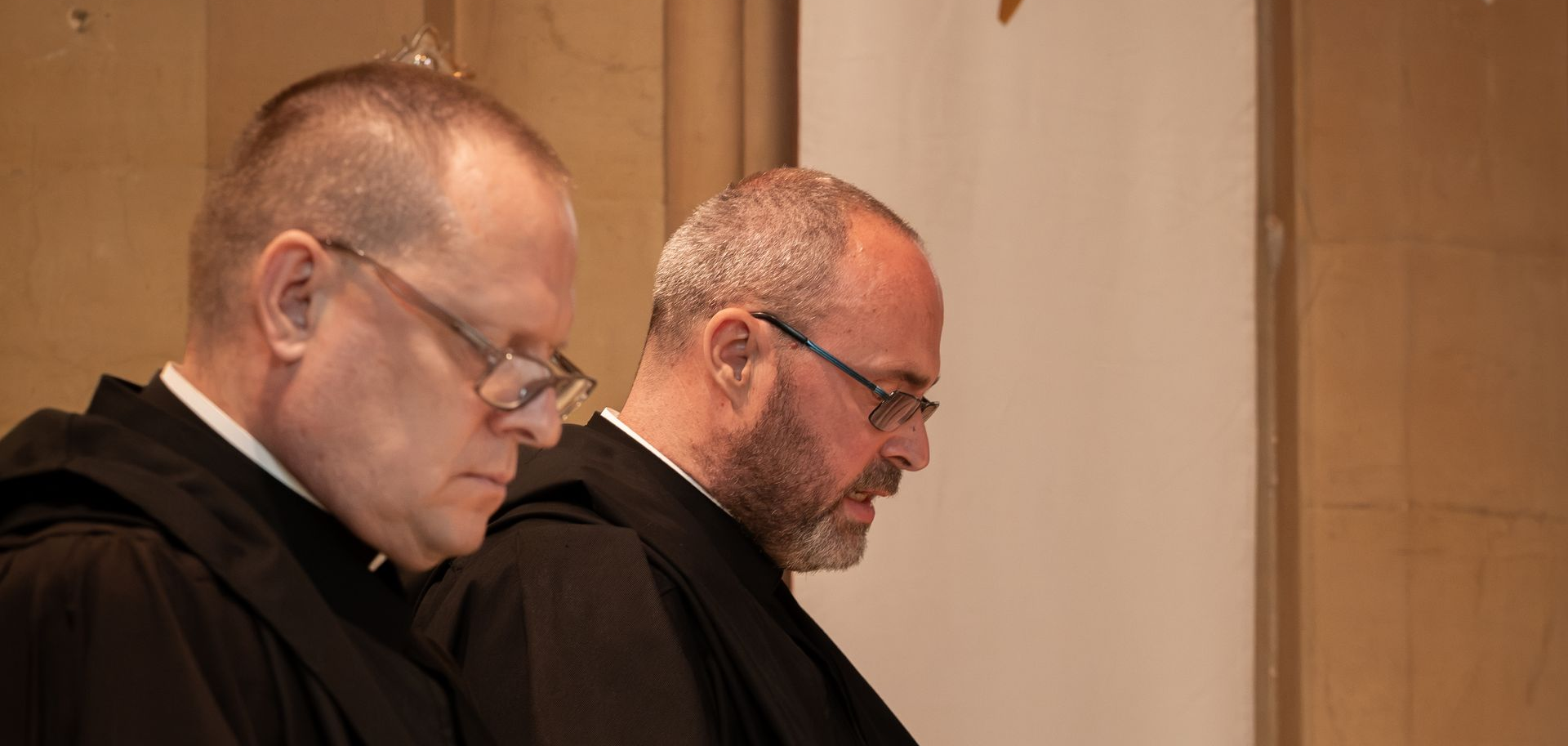
A double celebration on the feast of St Michael and All Angels

A School of Love by the Wye: Abbot Brendan on the Cistercians on the Feast of the Holy Cross.
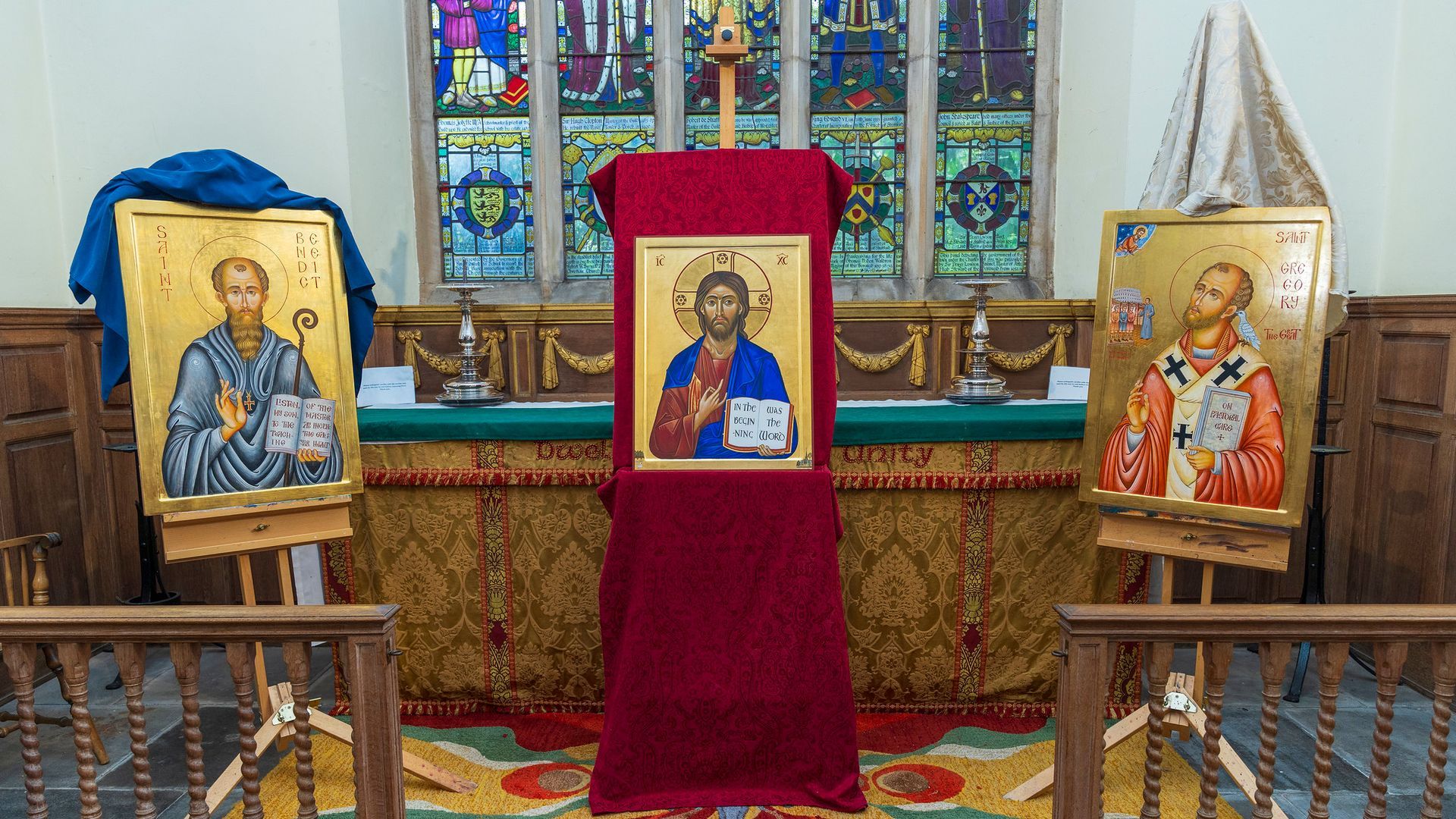
The Blessing of new Icons for the Churches in Stratford-upon-Avon, with inspiring talks by the Abbot Primate and Dr Rowan Williams.
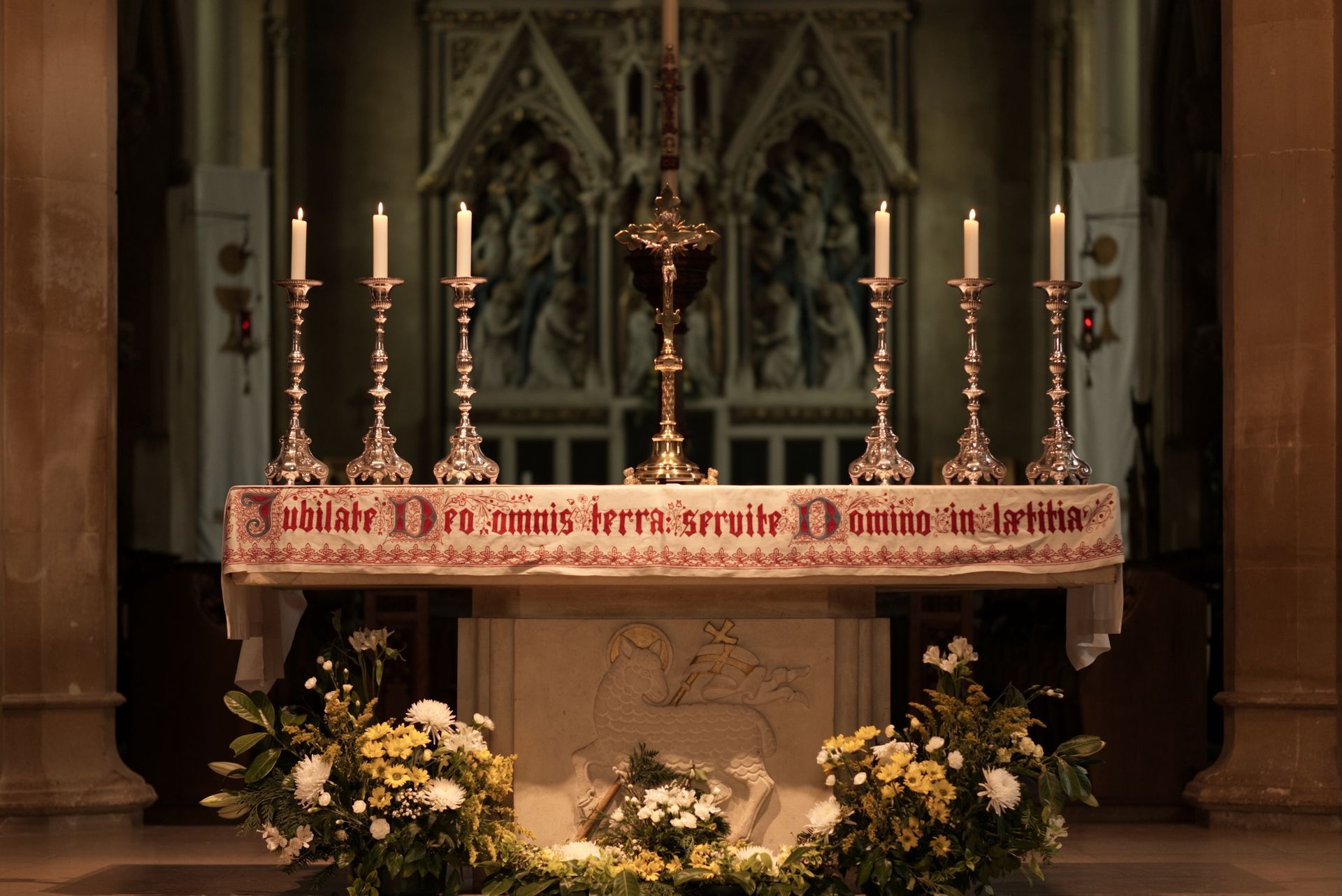
“O Lord, I love the house where you live, the place where your glory abides.”

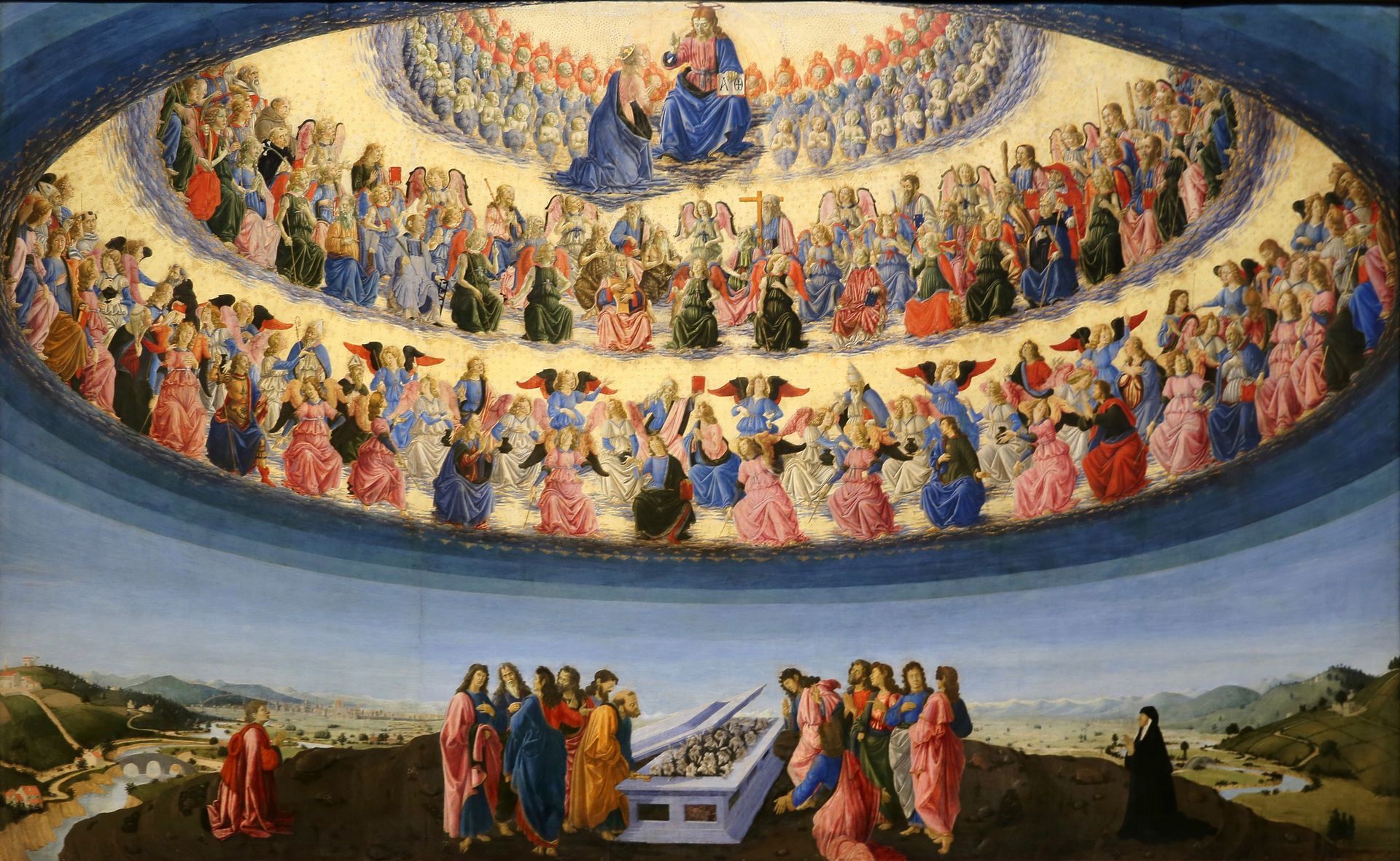
Nothing that is precious and dear to God is simply discarded: homily by Abbot Brendan.
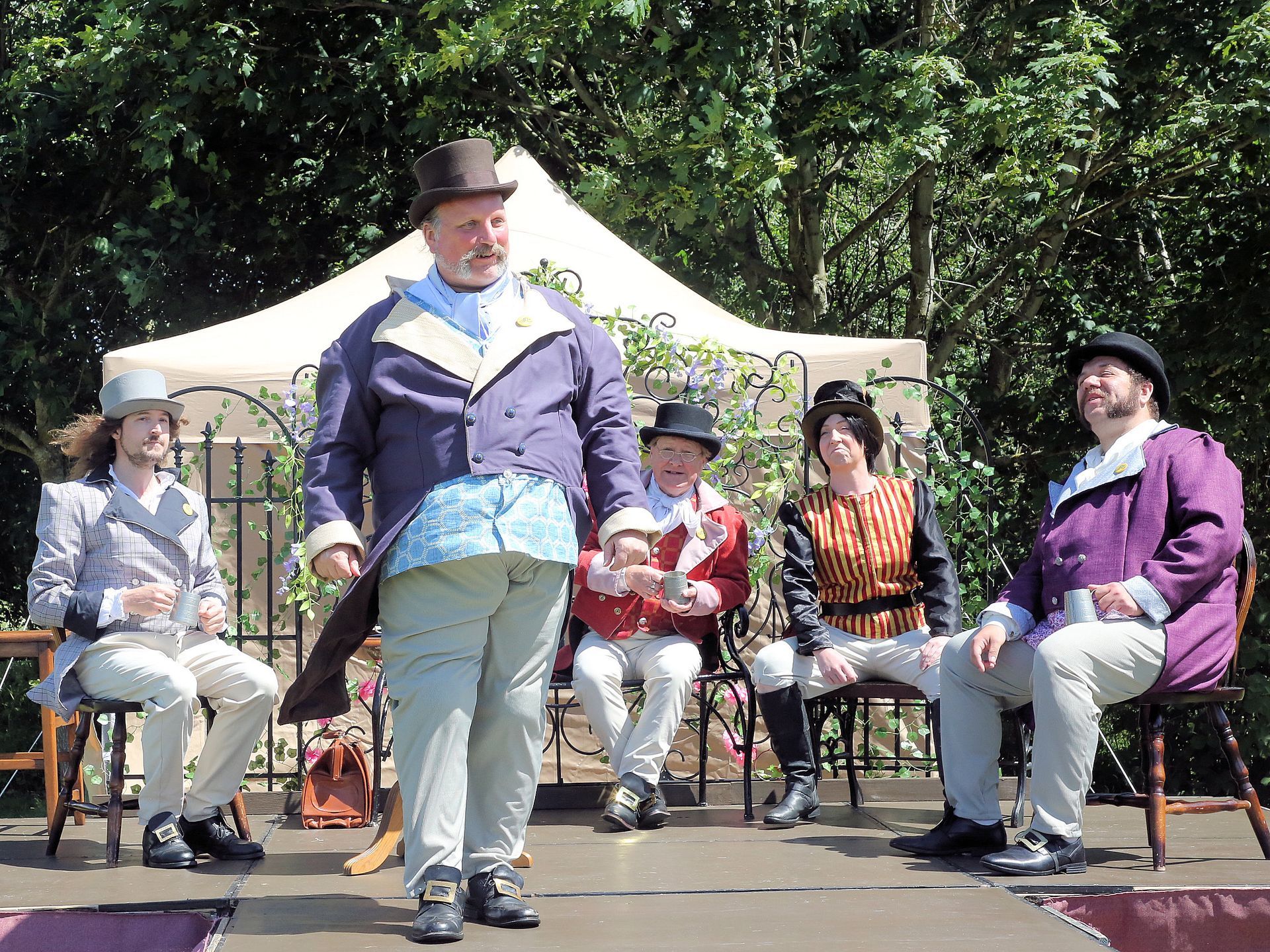
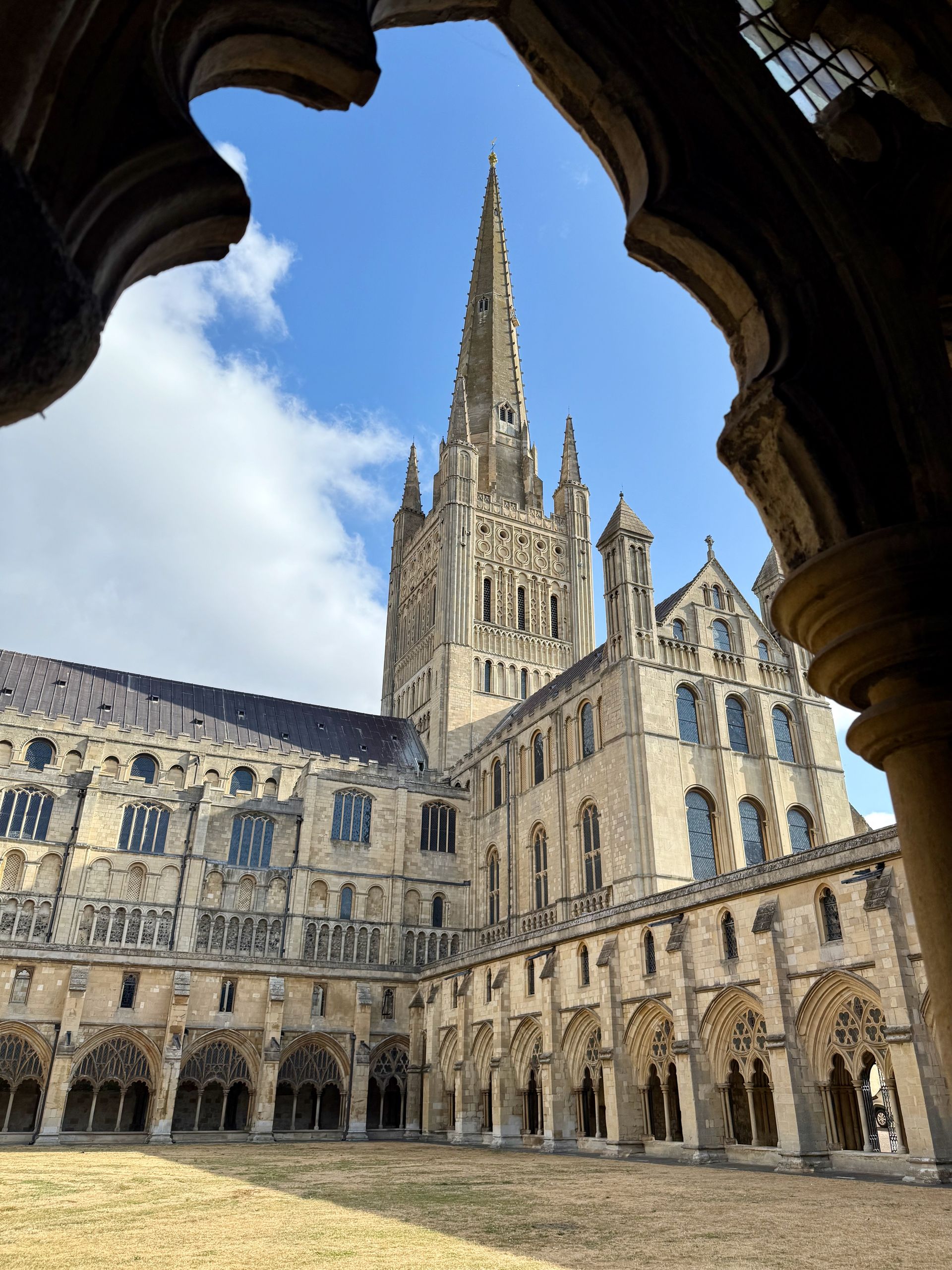
Awaken with a Rule! The St Benedict Week Conference at Norwich organised by the Lay Community of St Benedict
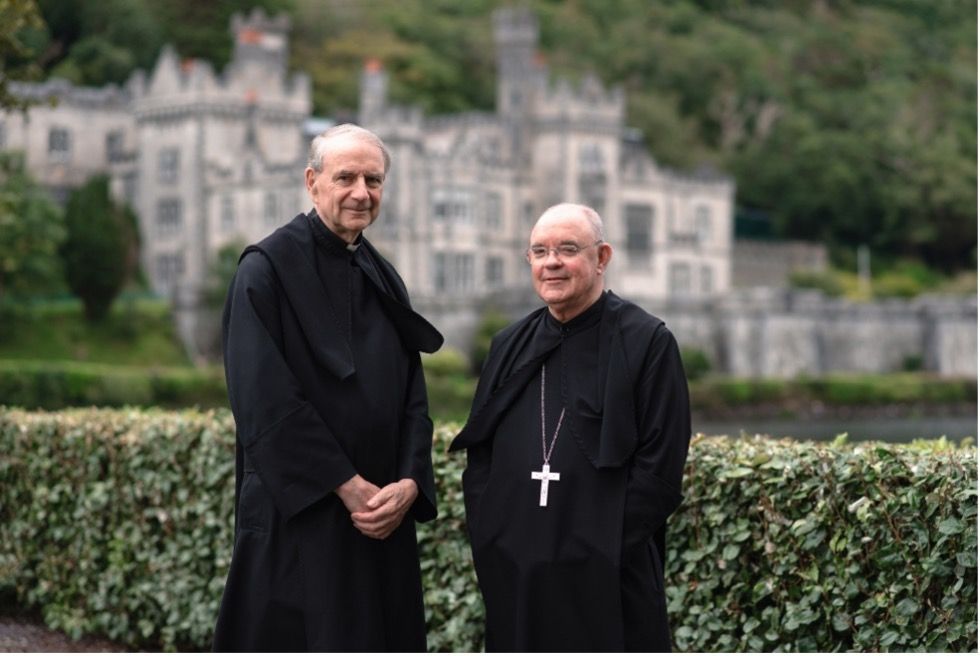
Dom Robert Igo OSB Elected President of the English Benedictine Congregation at Historic 100th General Chapter.