Message of Abbot Paul - Friday - 15th March 2024
Abbot Paul • March 14, 2024
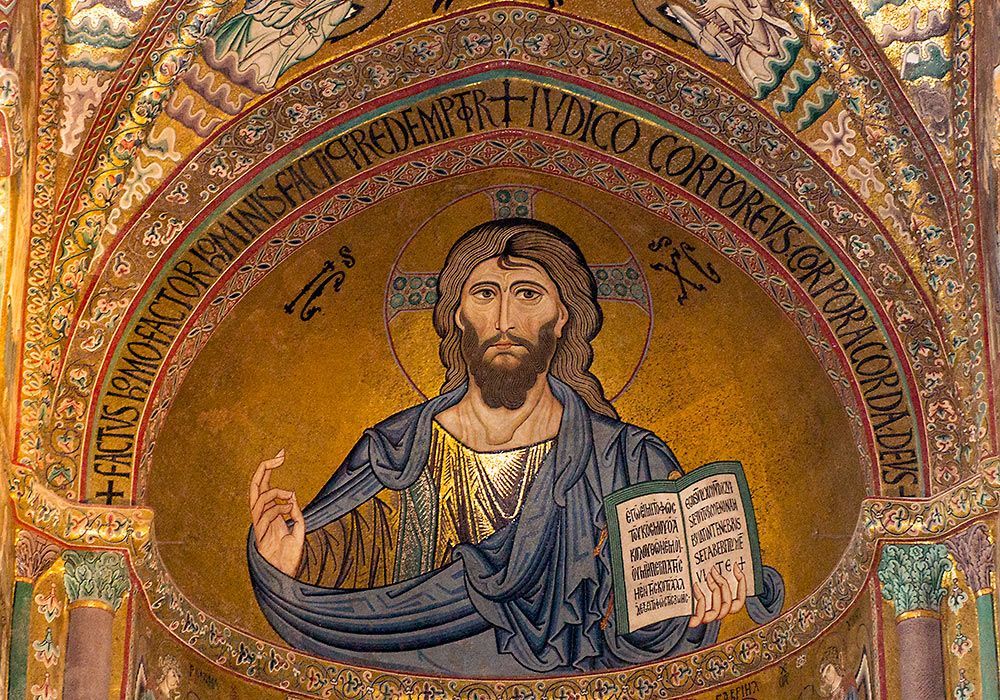
You’ll be pleased to hear that I’m getting my cold under control, taming the beast, so to speak. People had been telling me of colds lasting weeks and of sore throats that had become a permanent nuisance and I had visions of this happening to me, but God is good and prayer is powerful. I am beginning to feel very much better and not so much under the weather as floating on air. Yesterday I drove to Bromyard for a weekday Mass and had the distinct sensation that I was being borne on angels’ wings. What an amazing experience that is!
Our Gospel today is a shortened version of the first half of chapter 7 of John, (Jn 7: 1-2; 10; 25-30), in which Jesus leaves Galilee and goes alone to Jerusalem for the feast of Tabernacles, so as not to draw attention to himself. Meanwhile, the people debate as to whether he will be coming or not and as to his identity. Is he or is he not the Messiah?
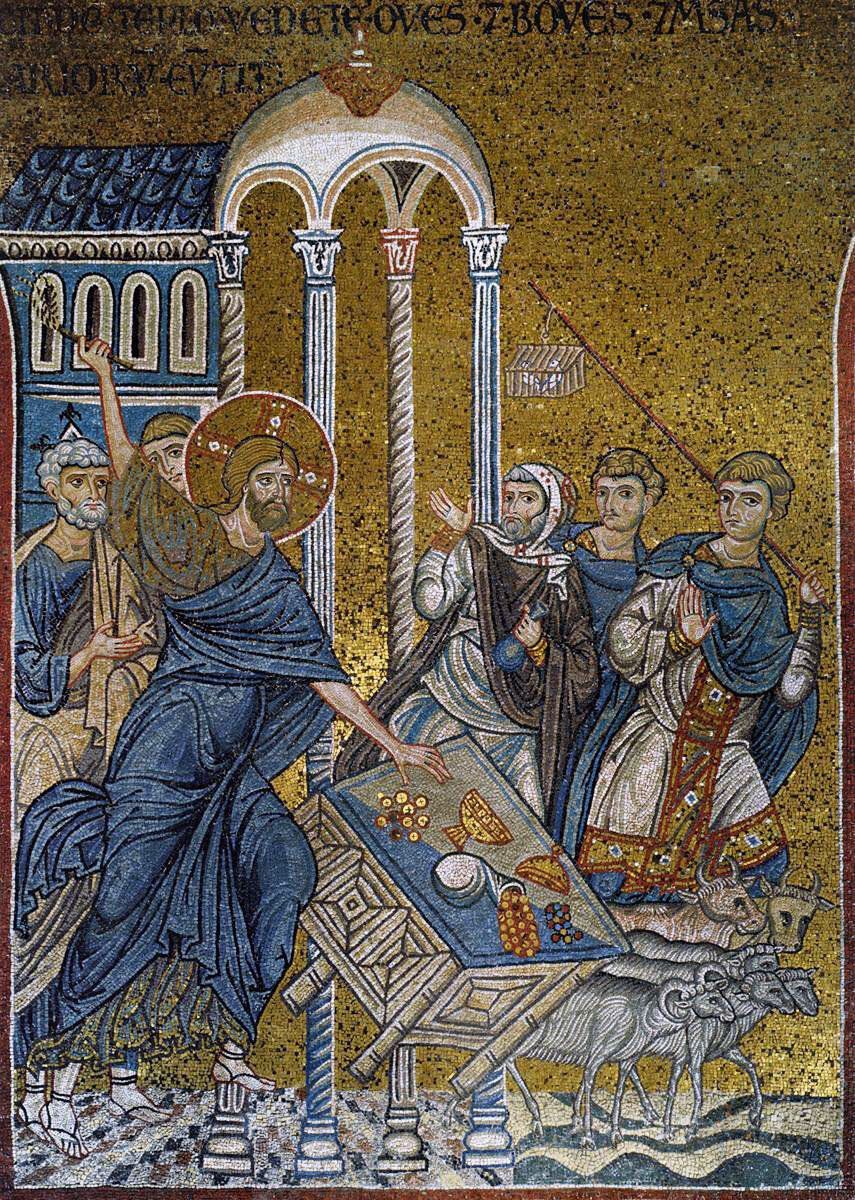
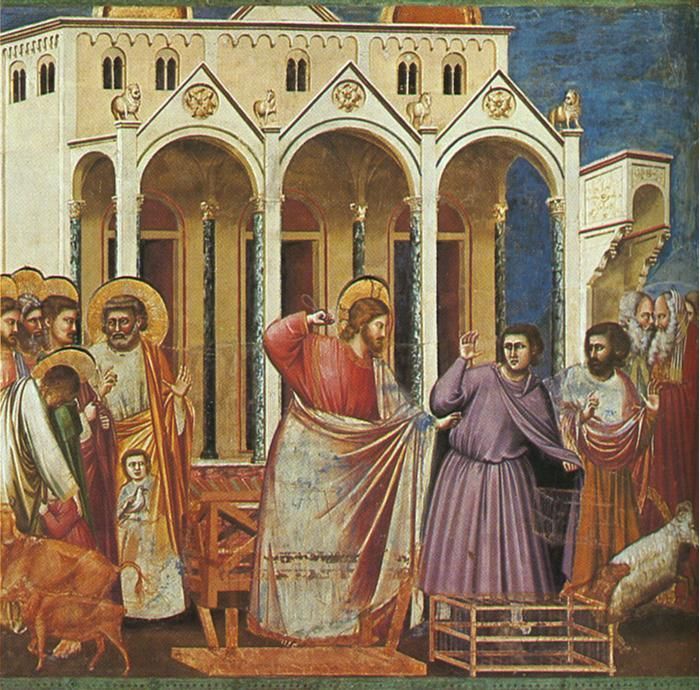
Even so, Jesus begins teaching in the Temple and this leads to further animosity on the part of the religious authorities. We read, “As Jesus taught in the Temple, he cried out: ‘Yes, you know me and you know where I came from. Yet I have not come of myself: no, there is one who sent me and I really come from him, and you do not know him, but I know him because I have come from him and it was he who sent me.’ They would have arrested him then, but because his time had not yet come no one laid a hand on him.” Once more we meet this phrase: “his time had not yet come.” In John, it is a phrase that occurs frequently, referring to his death and resurrection as his time. We first meet it at the wedding feast of Cana, when Mary his mother asks him to perform a miracle on behalf of the bride and groom, who have run out of wine. In John the miracles are prophetic signs of the coming ‘time’ of Christ, the coming of God’s kingdom, the dawning of salvation. That is why we pray, “Thy kingdom come on earth, as it is in heaven.”
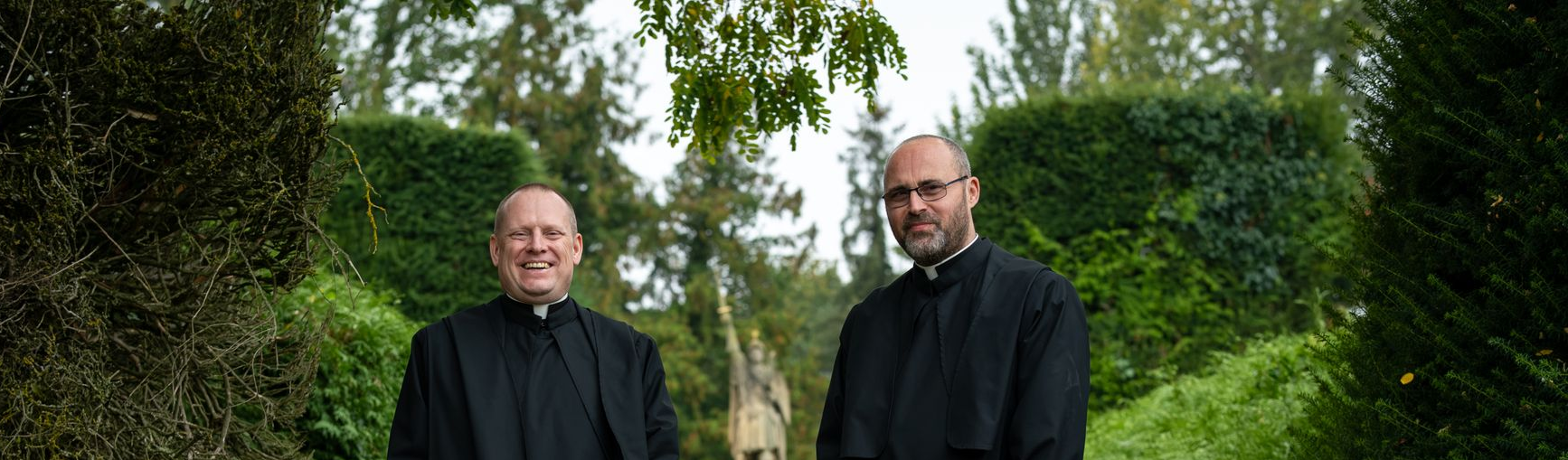
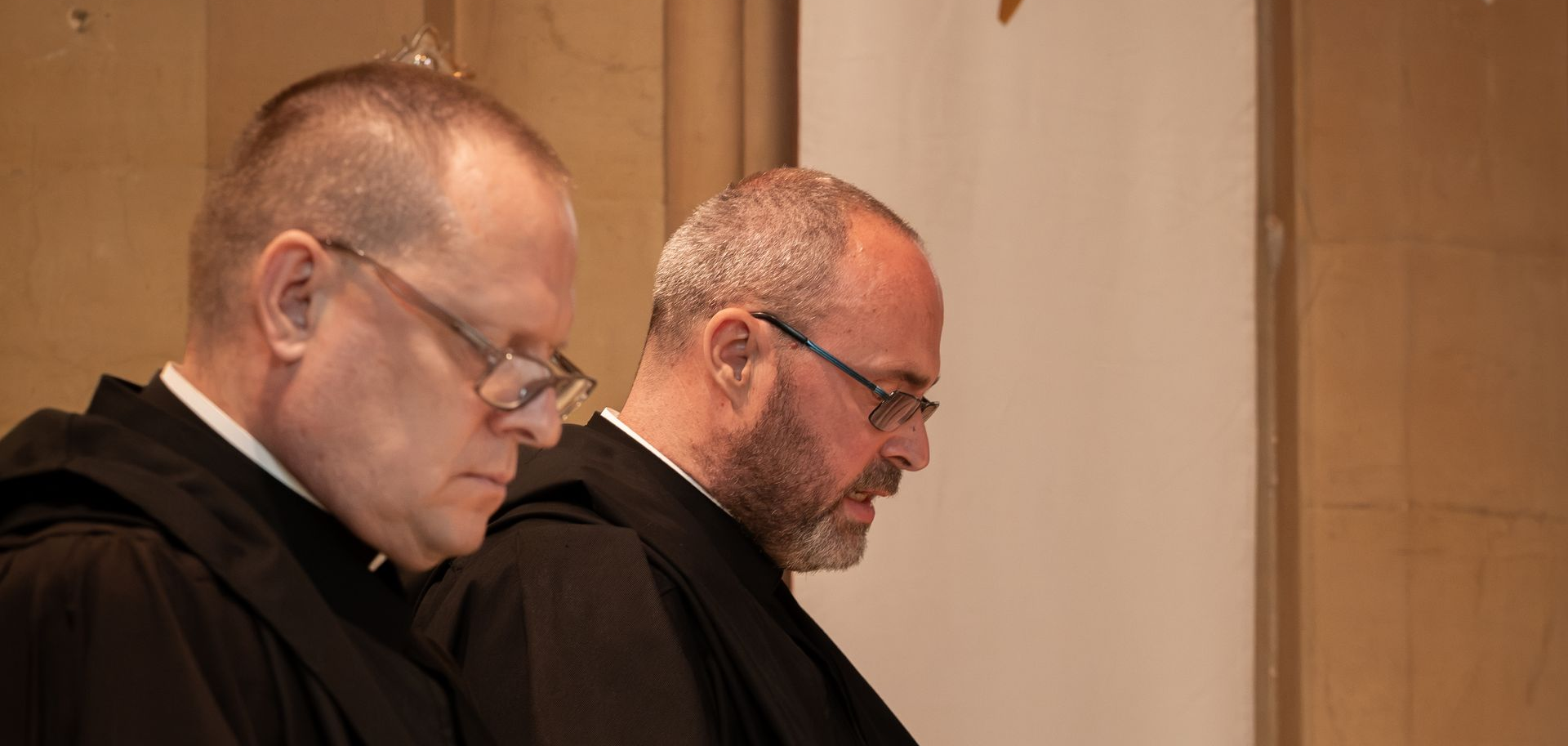
A double celebration on the feast of St Michael and All Angels
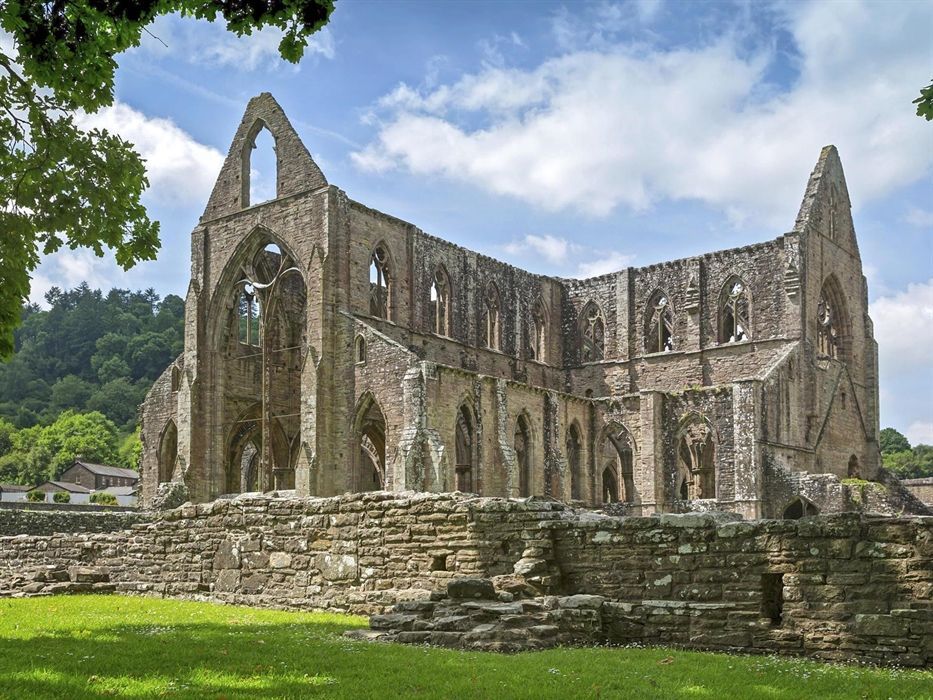
A School of Love by the Wye: Abbot Brendan on the Cistercians on the Feast of the Holy Cross.
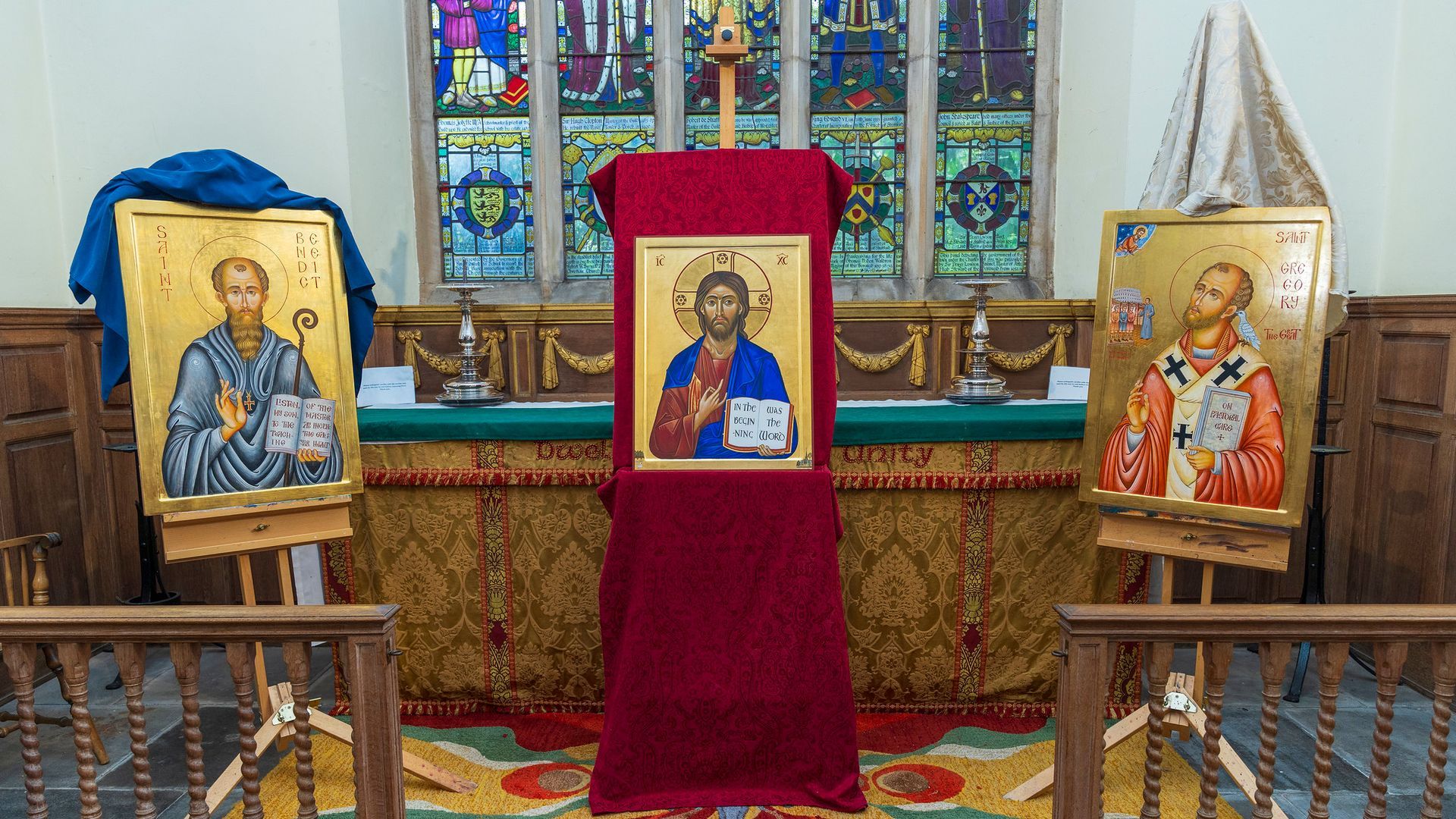
The Blessing of new Icons for the Churches in Stratford-upon-Avon, with inspiring talks by the Abbot Primate and Dr Rowan Williams.
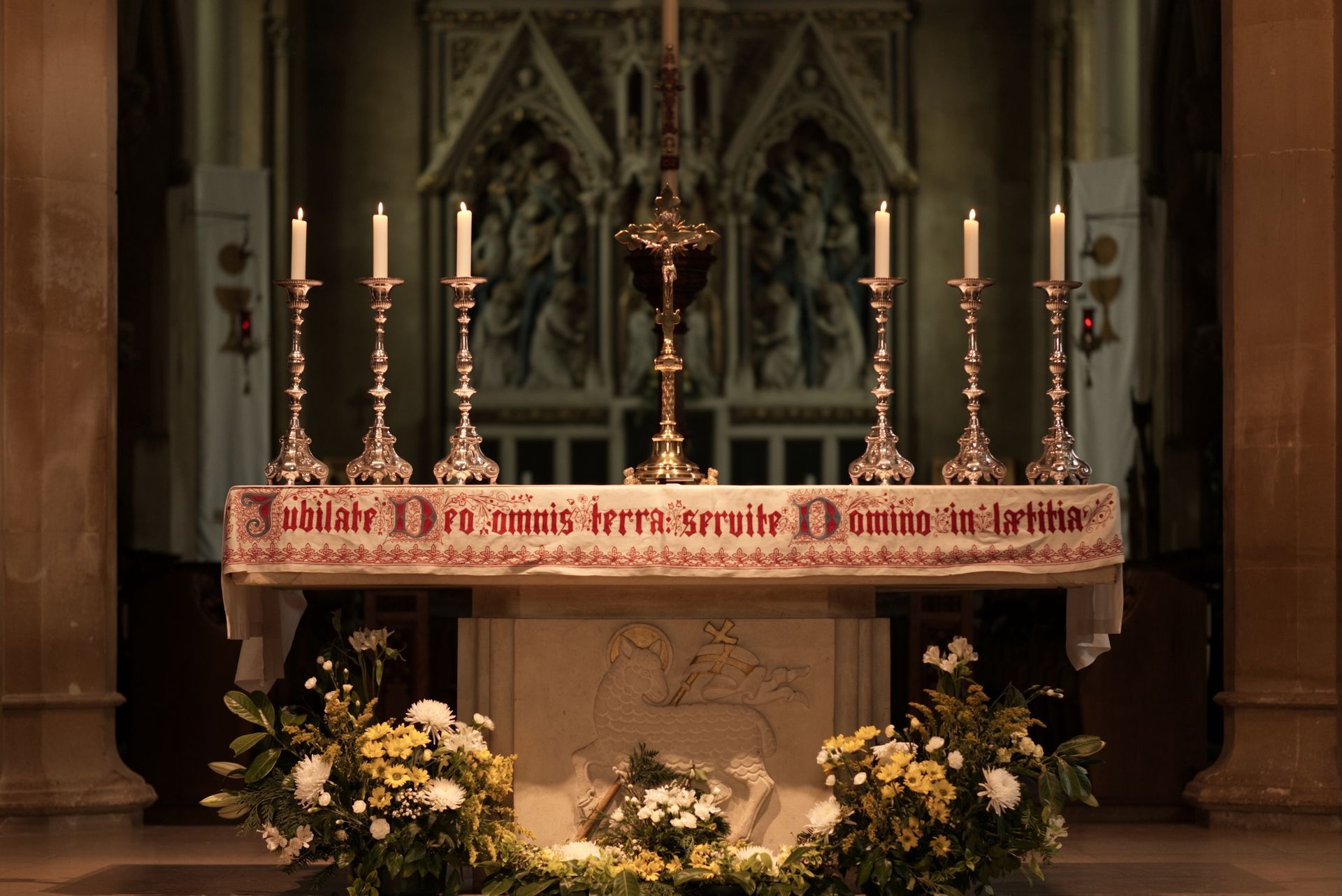
“O Lord, I love the house where you live, the place where your glory abides.”
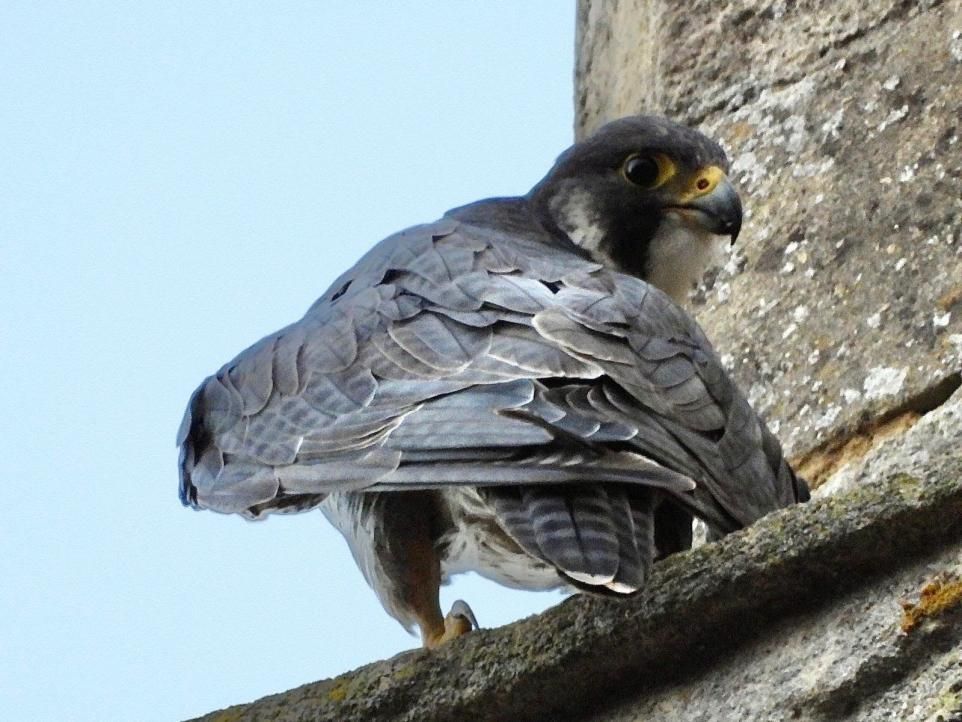
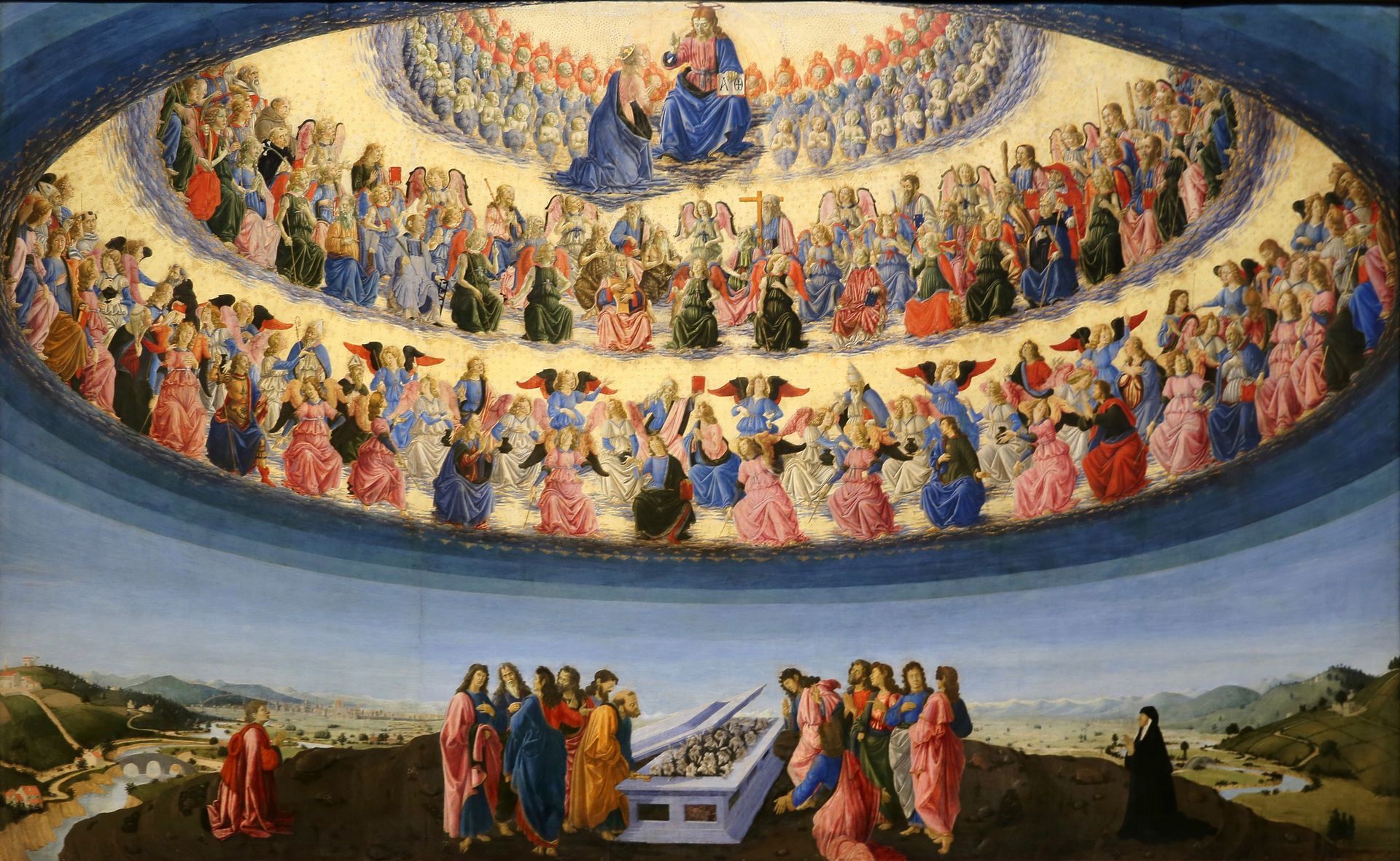
Nothing that is precious and dear to God is simply discarded: homily by Abbot Brendan.
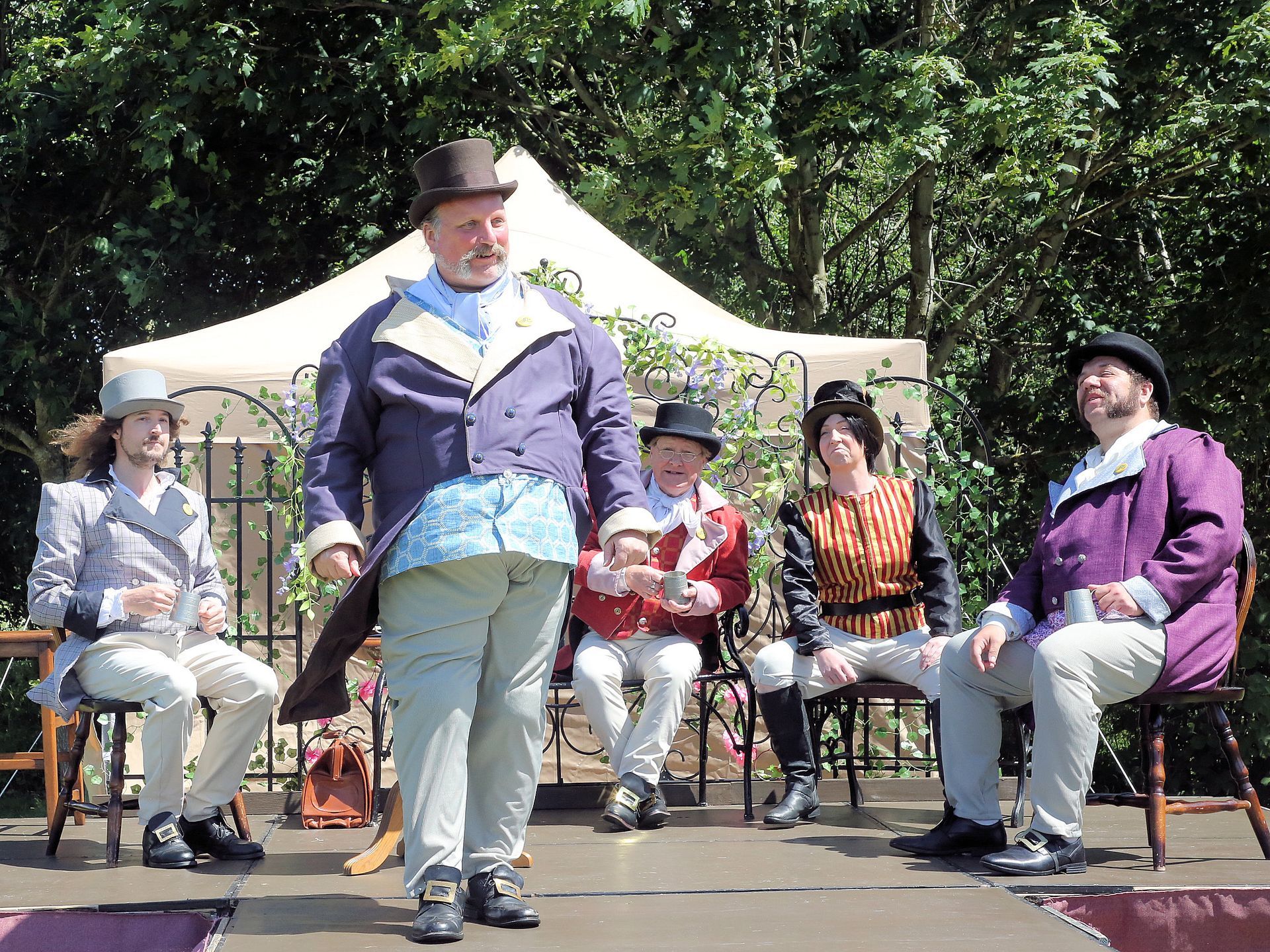
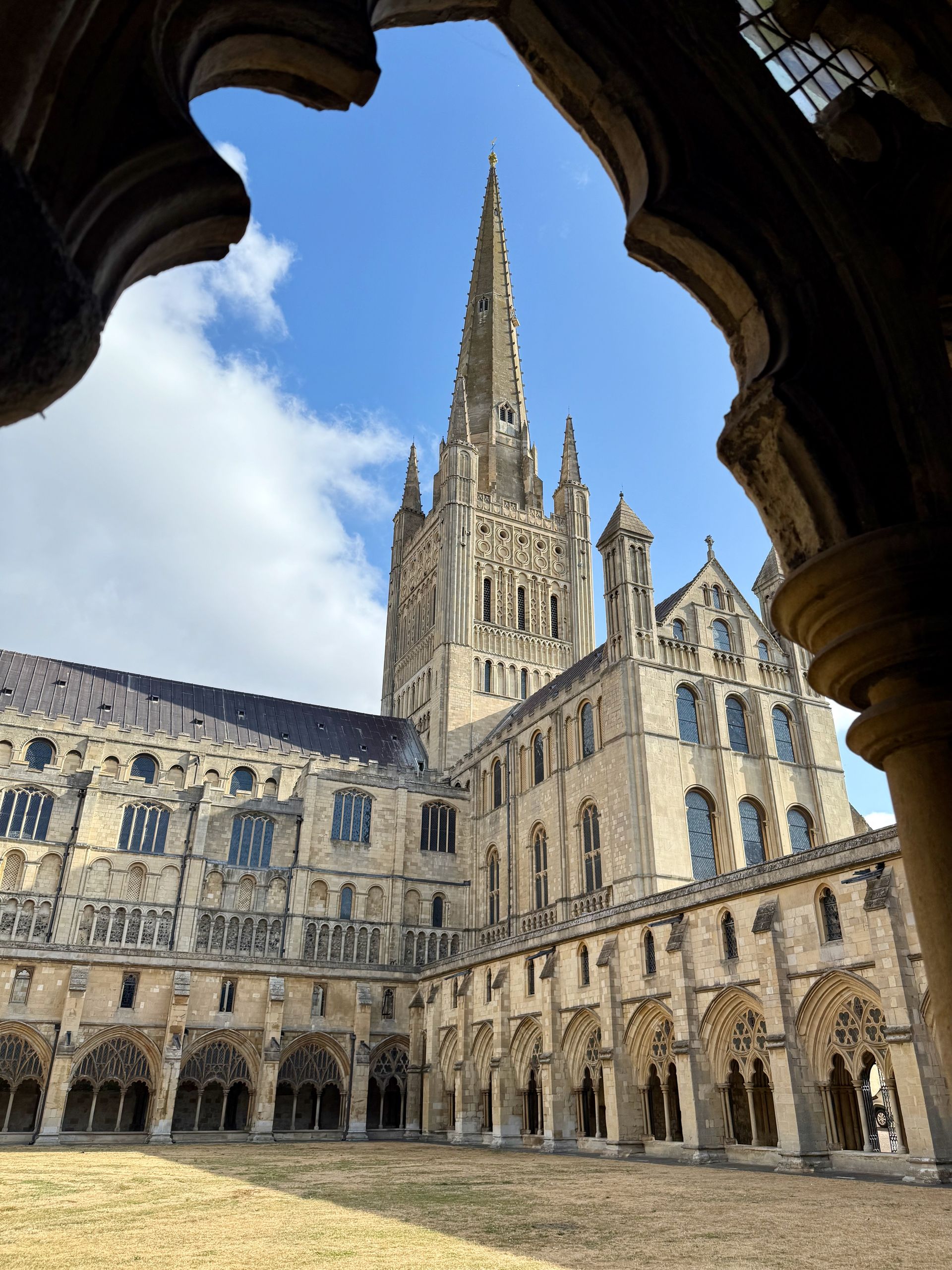
Awaken with a Rule! The St Benedict Week Conference at Norwich organised by the Lay Community of St Benedict
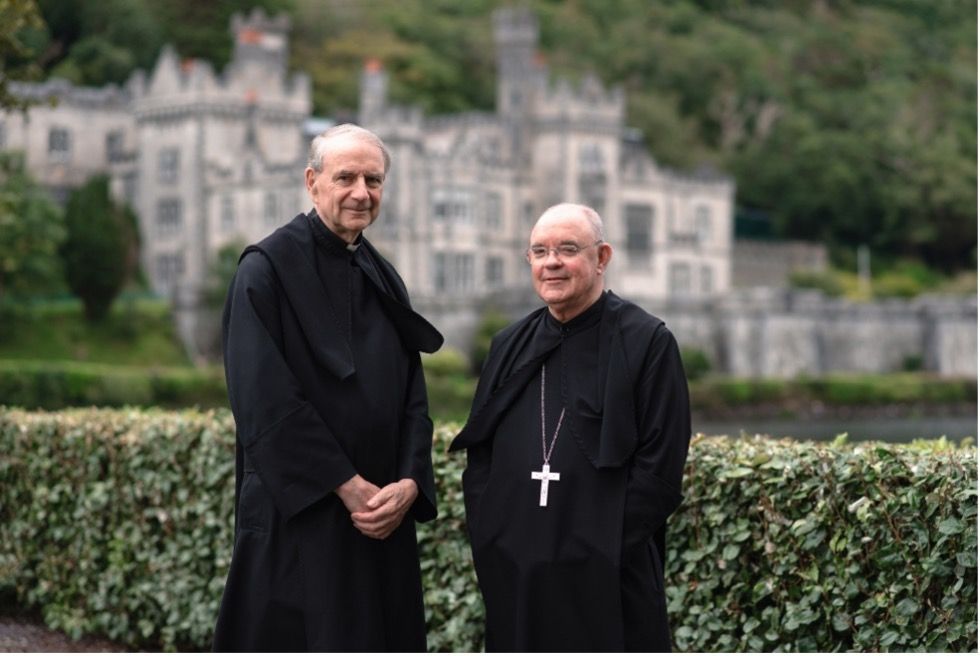
Dom Robert Igo OSB Elected President of the English Benedictine Congregation at Historic 100th General Chapter.